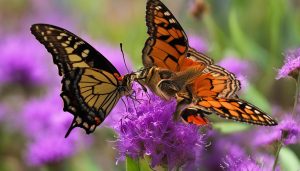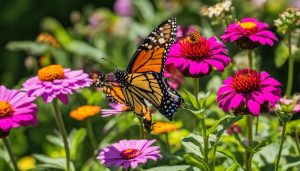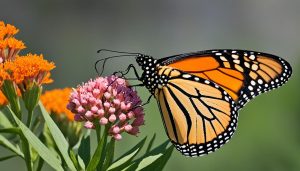

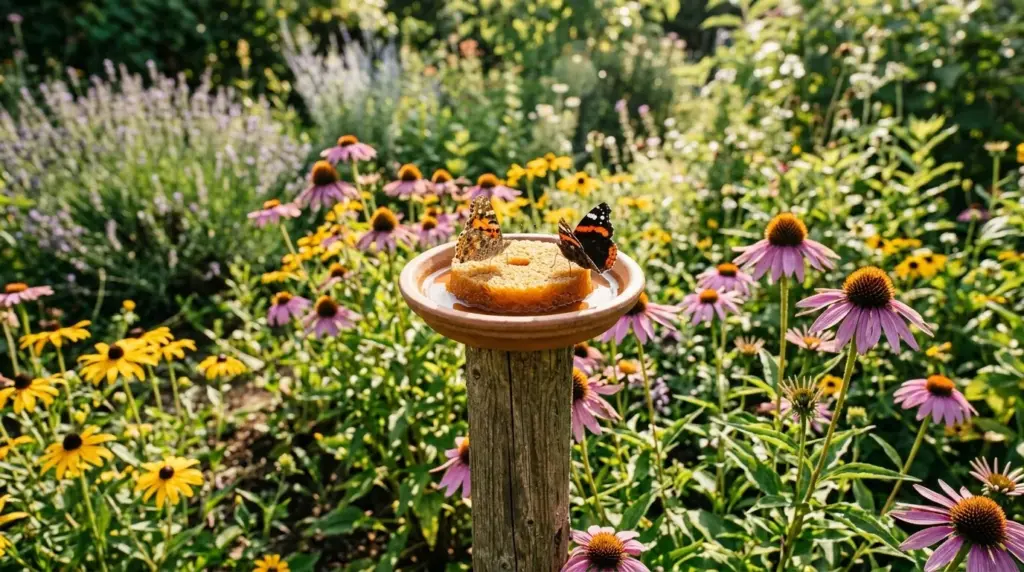

A butterfly feeder is a small dish, sponge or fruit tray that offers adult butterflies sugar in a form they can sip. It works best as a bonus station next to real flowers, and the species that visit are often ones that rarely touch a garden bloom.
Here is the part most feeder guides skip. Field guide author Kenn Kaufman has said that, in general, butterflies are unlikely to visit sugar-water feeders, and he recommends overripe fruit instead, so this guide leans on what actually brings them in.
Key Takeaways
- Overripe fruit draws more butterflies than sugar water, especially commas, question marks, red admirals and goatweed leafwings.
- A shallow dish or tray placed in morning sun, 3 to 5 feet off the ground and out of the wind, gets the most visits.
- Sugar water and fruit spoil fast in heat, so empty and scrub the feeder every day or two in summer.
- Monarchs and swallowtails prefer fresh flower nectar, so plant for them first and treat the feeder as an extra.
Does a Butterfly Feeder Work?
It depends on the butterflies in your area. Writing for Birds & Blooms, Kenn and Kimberly Kaufman note that most butterflies ignore sugar-water feeders, with exceptions that include viceroys, commas, question marks, red-spotted purples and some southwestern skippers.
Fruit changes the picture. Many brush-footed butterflies feed on rotting fruit, tree sap and fermenting juice in the wild, and a plate of overripe banana or watermelon imitates exactly that.
So a feeder earns its spot when you want close views of the fruit-feeding crowd. It won’t replace flowers, which also supply the cues butterflies use to find food in the first place.
Types of Butterfly Feeders
Most feeders fall into four styles, and each trades convenience for something else. Pick one based on which butterflies you want and how often you will clean it.
- A shallow dish feeder holds sugar water or cut fruit, often with a colorful rim that looks like a flower from above.
- A fruit tray or spike feeder holds banana, orange halves or melon rind, and it pulls in the fruit-feeding species best.
- A sponge or wick feeder lets butterflies sip without landing in liquid, though the sponge molds quickly if you don’t swap it often.
- A hanging orb feeder with landing pads drips less, but larger butterflies can find the small ports awkward.
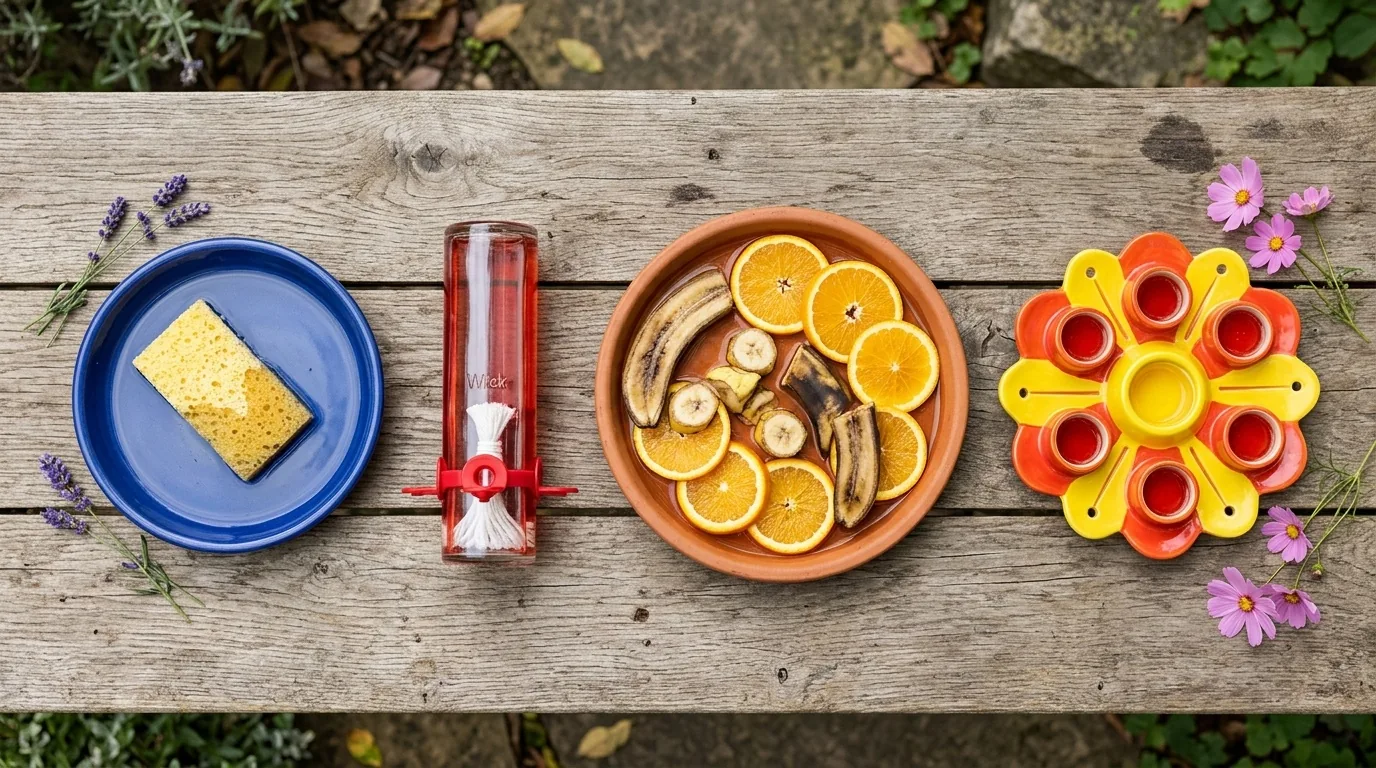
If you are starting out, one fruit tray covers most situations. Add a sugar-water dish later if you notice sap-feeding species around your yard.
What to Put in a Butterfly Feeder
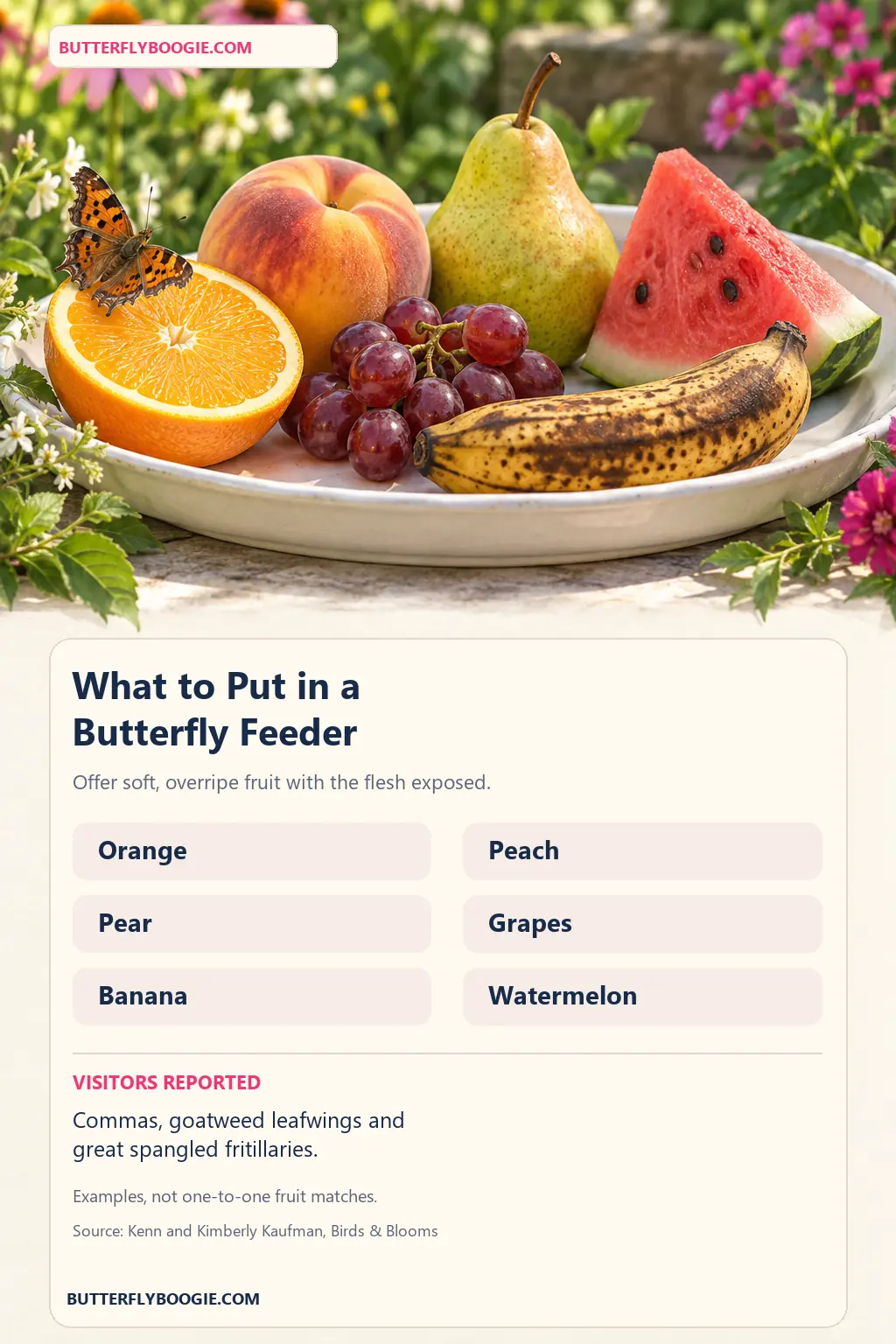
Overripe fruit is the easiest win. The Kaufmans list oranges, peaches, pears, grapes, bananas and watermelon, and they report visits from commas, goatweed leafwings and great spangled fritillaries.
Slice the fruit to expose the flesh, and let bananas go brown and soft before you set them out. A splash of water keeps cut fruit from drying into a crust on hot afternoons.
If you want to try sugar water, use plain white sugar dissolved in water and nothing else. Our homemade butterfly nectar recipe walks through the mix and how to store it.
Skip honey, brown sugar, food coloring and store-bought hummingbird mixes with additives. Plain sugar dissolves cleanly and gives butterflies nothing extra to deal with.
Where to Put It
Butterflies need warm muscles to fly and feed, so a feeder in deep shade sits empty. Morning sun with some afternoon shade keeps visitors active without baking the fruit by mid-afternoon.
Mount the feeder 3 to 5 feet off the ground, near but not inside a flower bed. Butterflies scout along blooms for food, so a feeder beside zinnias, lantana or milkweed gets found sooner, and our list of the best butterfly plants to grow pairs well with any setup.
Pick a spot out of the wind. A feeder swinging on an exposed hook is hard to land on, and the breeze dries fruit and sugar water quickly.
Keeping the Feeder Clean
Sugar water ferments and fruit molds quickly in summer heat. Empty and scrub the feeder every day or two during hot weather, and every few days when it stays cool.
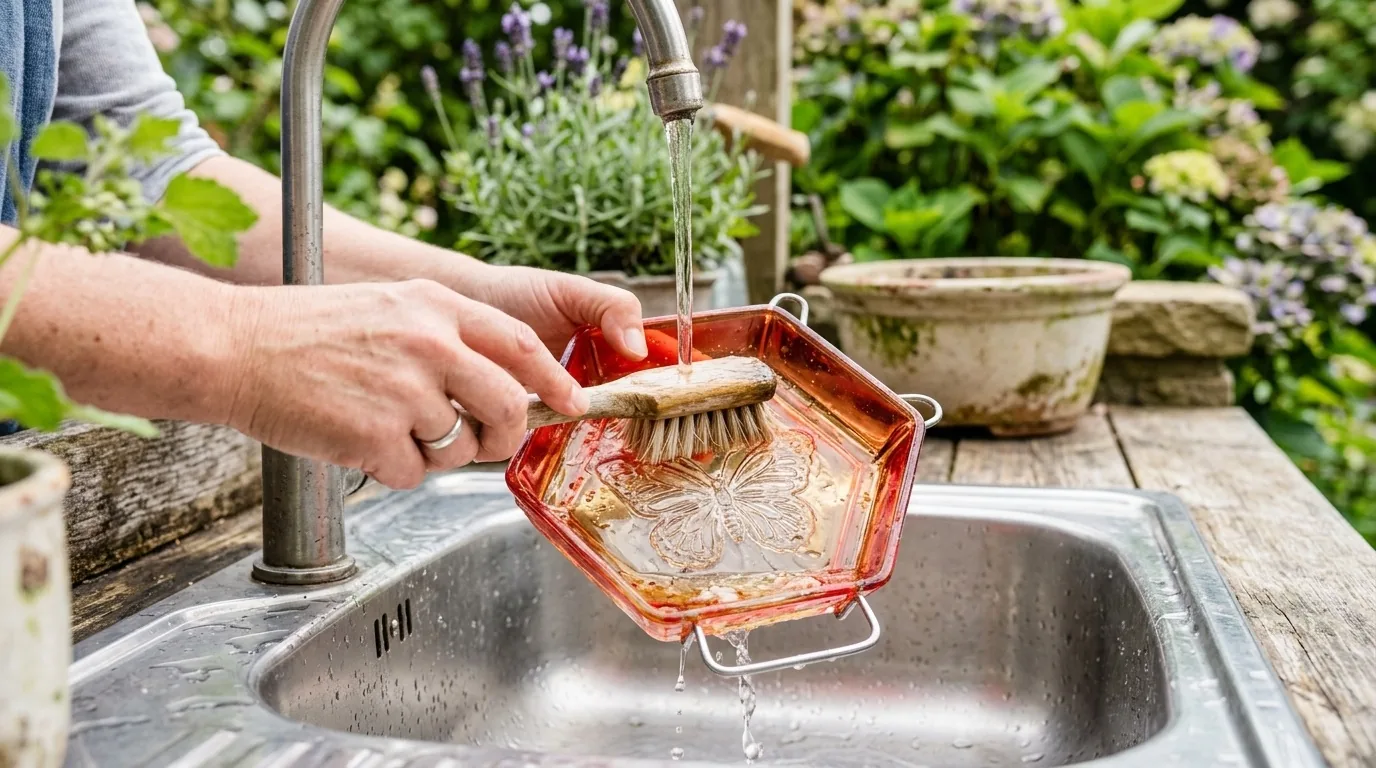
Hot water and a bottle brush handle most cleanups. For stubborn mold in a sponge or tray, soak it in a mild vinegar solution, rinse it well and let it dry in the sun before refilling.
Cloudy liquid, black specks or a sour smell mean the batch has gone off. Dump it, clean the feeder and start fresh instead of topping it up.
Add a Puddling Dish
Many butterflies, especially males, sip minerals from damp soil. University of Georgia Extension points out that butterflies seek out water most of us would call salty or dirty.
A shallow pan filled with wet sand and a pinch of salt gives them that. Place it in the sun a few feet from the feeder, and our guide to what butterflies eat and drink explains why minerals matter so much to them.
Which Butterflies Will Visit
Expect the fruit and sap feeders first. Red admirals, question marks, commas, mourning cloaks and red-spotted purples are the usual regulars in much of North America.
Monarchs and most swallowtails rarely use feeders. If monarchs are your goal, plant milkweed and nectar flowers, and see our guide to the best nectar sources for monarchs.
FAQ
How long does it take butterflies to find a new feeder?
Anywhere from a few hours to a few weeks, depending on your area and what is already blooming nearby.
Setting the feeder beside flowers the butterflies already visit speeds things up.
Is sugar water or fruit better for butterflies?
Fruit usually wins. Field guide authors Kenn and Kimberly Kaufman recommend overripe fruit because most butterflies ignore sugar water.
Should I bring the feeder in at night?
You don’t need to, since butterflies feed in daylight.
Emptying fruit trays in the evening does keep raccoons, ants and wasps from moving in overnight.
Will a butterfly feeder attract wasps?
Yes, especially fruit trays in late summer. Keep fruit fresh, clean the tray daily and move the feeder a few feet if wasps take over.