




How often do butterflies eat? Most species feed several times a day during warm, active hours, typically every two to four hours when conditions are right. But feeding frequency varies a lot depending on temperature, species, life stage, and what food sources are available nearby. A monarch in peak migration mode feeds as often as it can find flowers. A wood nymph resting in shade on a cool morning might not feed for hours. Understanding these patterns tells you a lot about how butterflies manage their energy, survive lean periods, and fuel critical activities like flight, migration, and reproduction.
Key Takeaways
- Most butterflies feed 3 to 5 times per day during warm weather, spacing meals every 2 to 4 hours throughout their active period from mid-morning to late afternoon.
- Temperature is the single biggest factor controlling feeding frequency. Below about 55°F (13°C), most species cannot fly or feed at all because their flight muscles need warmth to function.
- Feeding frequency increases during energy-intensive periods such as migration, mating, and egg-laying, when butterflies may feed nearly continuously when flowers are available.
- Butterflies that go too long without food burn through fat reserves quickly and can die within 24 to 48 hours during active warm periods, though dormant butterflies in winter can survive months without feeding.
How Many Times a Day Do Butterflies Feed?
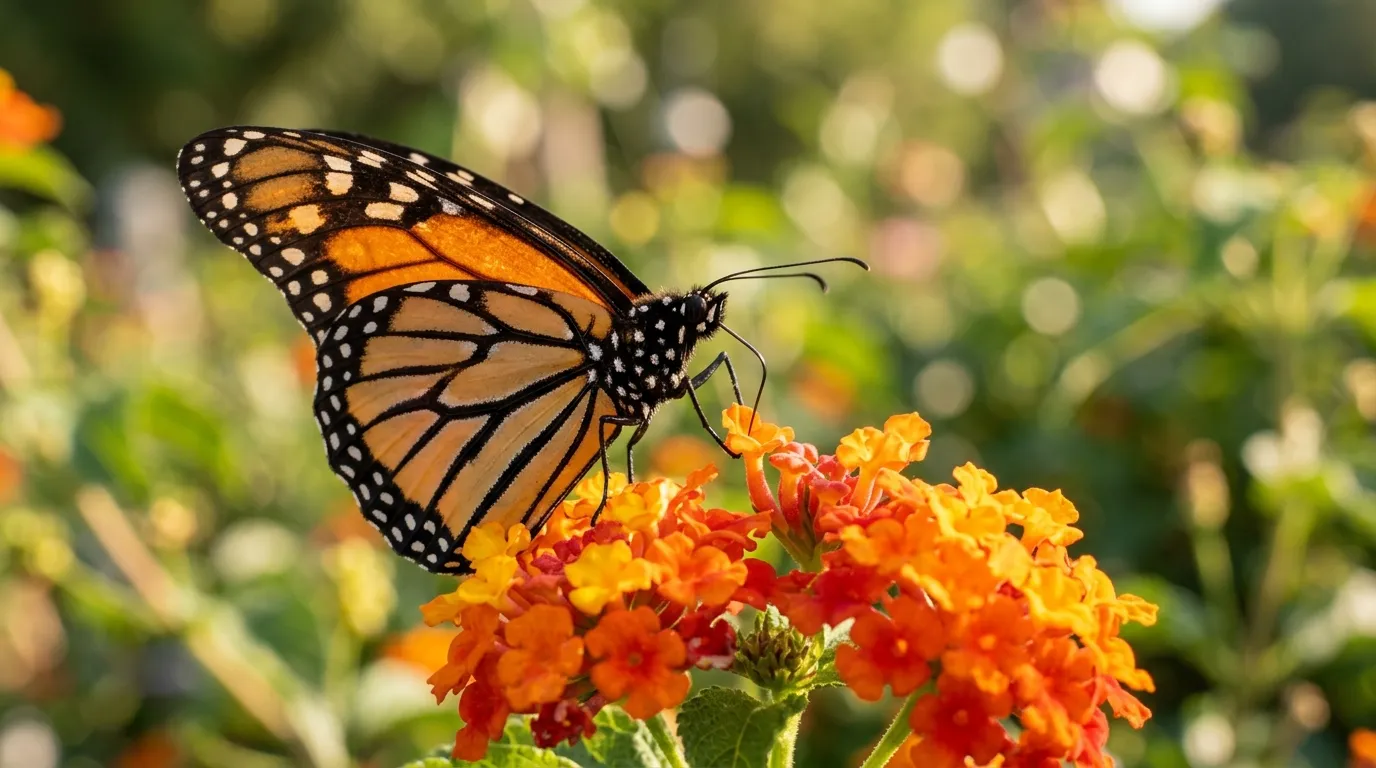
Under typical summer conditions, most butterflies feed between 3 and 5 times per day. Each feeding session lasts anywhere from 30 seconds to several minutes depending on the richness of the nectar source and how hungry the butterfly is. A fresh, nectar-heavy flower like a zinnia or lantana might satisfy a butterfly in under a minute. A less productive flower could keep one probing for three or four minutes before it moves on.
Butterflies are not constant grazers. They alternate between feeding, basking, patrolling for mates, and resting in shade. A typical active day looks something like this: bask in morning sun to warm up, feed on the first available flowers by mid-morning, alternate between feeding bouts and other activities through the afternoon, then settle into a roost site before dusk. The feeding windows cluster during the warmest parts of the day, usually between 10 a.m. and 4 p.m.
The volume consumed per feeding is small. A butterfly’s crop (the expandable part of its gut that stores liquid food) can hold roughly 10 to 20 microliters, depending on the species. That is a fraction of a single drop of water. But because nectar is calorie-dense sugar solution, those tiny meals add up fast. To get a full picture of what goes into those meals, our guide on what butterflies eat and drink covers the full range of food sources.
What Controls How Often a Butterfly Feeds
Feeding frequency is not fixed. Several factors push it up or down on any given day.
Temperature
This is the biggest variable. Butterflies are ectothermic, meaning their body temperature depends on their environment. Their flight muscles need to reach roughly 80 to 100°F (27 to 38°C) before they can fly effectively. On a cool morning, a butterfly may spend an hour or more basking with wings spread toward the sun before it can take its first flight to a flower. On a hot summer afternoon, that same butterfly feeds freely and frequently.
Below about 55°F (13°C), most species become inactive. They cannot fly, they cannot feed, and they enter a torpor-like state until conditions warm up. During prolonged cool spells in spring or fall, a butterfly might go an entire day without eating. According to research published by the University of Chicago’s Physiological Zoology journal, thermoregulation directly constrains foraging time in lepidopterans, with body temperature thresholds varying by species and wing coloration.
Species and Size
Larger butterflies with higher metabolic demands tend to feed more often. A big swallowtail burning through energy during powerful flight needs more fuel than a small skipper making short hops between nearby flowers. Species also differ in their dietary preferences. Fruit-feeding species like red admirals and mourning cloaks may feed less frequently but for longer sessions, since rotting fruit provides a concentrated sugar source that lasts. Nectar-specialist species make more frequent but shorter stops.
Activity Level
Males patrolling territory or actively searching for mates fly more and burn more calories than females resting between egg-laying bouts. A male monarch covering large distances across a meadow will feed more frequently than one perched and waiting. During migration, feeding frequency reaches its peak because sustained flight over long distances demands constant energy replenishment. Migrating monarchs have been observed visiting flowers nearly every time they land.
Food Availability
When flowers are abundant, butterflies feed often and efficiently. When flowers are scarce, they spend more time searching and less time feeding, which creates an energy deficit. In habitats with sparse floral resources, butterflies may feed only once or twice daily, supplementing with tree sap, damp soil minerals, or overripe fruit. Our article on butterflies’ favorite fruits covers which fruits attract them when flowers are limited.
What Happens When Butterflies Cannot Find Food
An active butterfly that cannot find food faces a real survival problem. Their bodies store limited fat reserves, and during warm weather when metabolic rates are high, those reserves deplete within a day or two. A butterfly that goes a full 24 hours without feeding during active summer conditions becomes visibly weaker, flying shorter distances and responding more slowly to threats.
By 48 hours without food in warm conditions, most butterflies are near death. Their flight muscles begin to fail, and they lose the ability to escape predators or reach food sources even if they become available. This is why habitat fragmentation and loss of wildflower meadows is such a serious conservation concern. A butterfly that emerges from its chrysalis into a landscape of mowed lawns and parking lots may literally starve before finding its first meal.
Dehydration compounds the problem. Since butterflies get nearly all their water from nectar and other liquid food sources, going without food also means going without water. For a deeper look at their liquid intake, see our piece on what butterflies drink and why water matters as much as sugar.
There is one major exception. Butterflies that overwinter as adults, like mourning cloaks and commas in temperate regions, can survive months without feeding. They enter a state called diapause, a form of dormancy where metabolic activity drops to minimal levels. Fat stores accumulated during fall feeding sustain them through the entire winter. They tuck into tree bark crevices, leaf litter, or building gaps, and their bodies essentially shut down until spring warmth triggers reactivation.
Seasonal Feeding Patterns
Feeding frequency follows a seasonal arc that tracks temperature and daylight length.
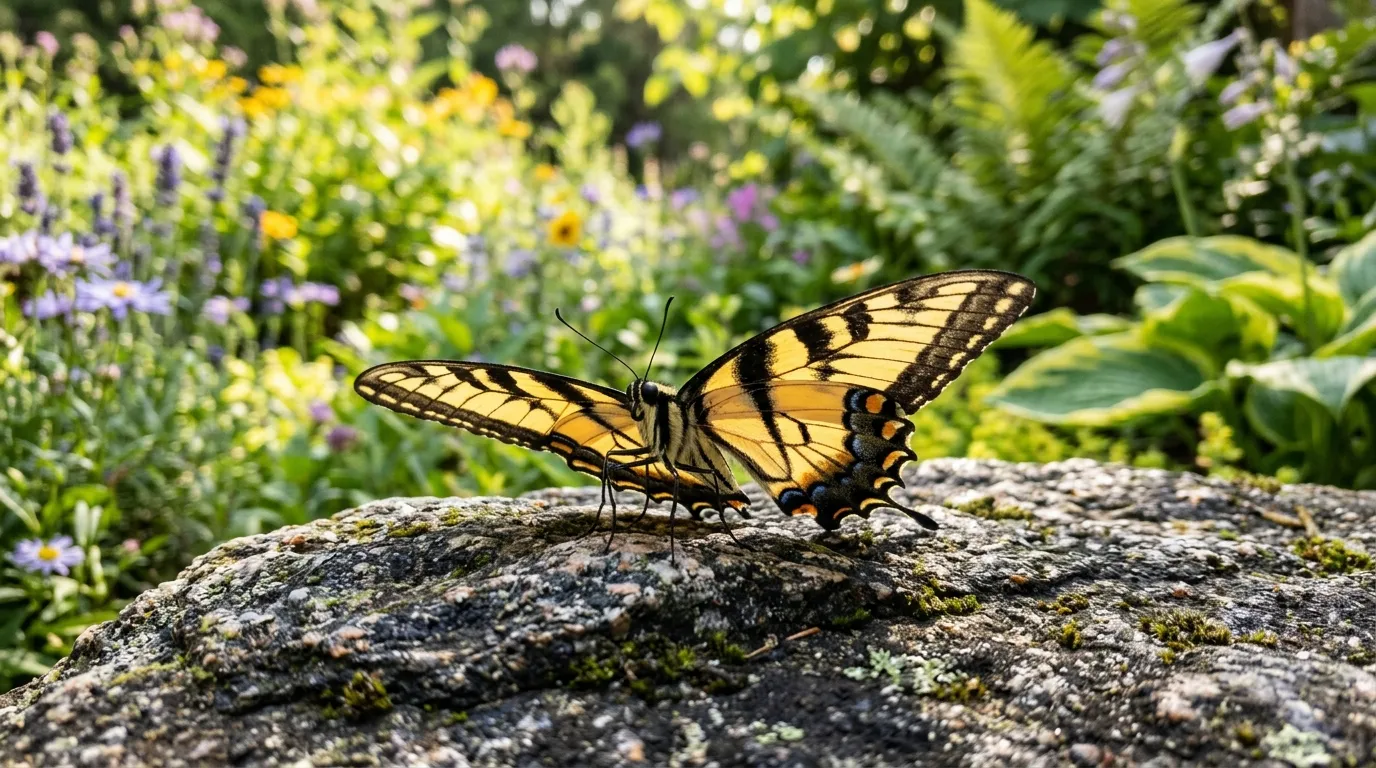
In spring, the first emerging adults feed cautiously. Days are still cool, and early spring flowers are not as abundant as midsummer blooms. Spring butterflies might feed only two or three times on a good day, with sessions concentrated in the warmest afternoon hours. Many early-season species like spring azures and cabbage whites are adapted to function at slightly lower temperatures, giving them a feeding advantage when larger species are still grounded.
Summer is peak feeding season. Long warm days, abundant flowers, and high metabolic demands from mating and egg-laying push feeding frequency to its maximum. Four to five meals a day is typical, and some individuals feed even more often. Female butterflies increase feeding frequency after mating because egg production demands significant caloric investment. A female black swallowtail producing hundreds of eggs over her adult life needs substantially more fuel than a non-reproductive individual.
Fall feeding takes on a different character depending on the species. Migratory monarchs feed intensely in September and October, building up the lipid reserves they need to fly thousands of miles to Mexico. Non-migratory species that overwinter as adults also ramp up fall feeding to stockpile fat for diapause. Late-season butterflies often concentrate on asters, goldenrod, and other fall-blooming composites that provide the last major nectar pulse of the year.
Winter feeding is rare in temperate climates. On unusually warm winter days, overwintering adults like mourning cloaks occasionally emerge and seek food, but these events are brief and opportunistic. In tropical regions where temperatures stay warm year-round, butterflies feed at relatively consistent frequencies across all months.
Feeding Frequency and Lifespan
There is a direct connection between how well a butterfly feeds and how long it lives. Adults that have consistent access to nectar-rich flowers live measurably longer than those in food-poor environments. Research on painted ladies and monarchs has shown that well-fed adults can live 30 to 50 percent longer than nutritionally stressed individuals of the same species.
This makes sense when you consider that adult butterflies use food energy for everything: flight, predator evasion, thermoregulation, immune function, and in females, egg maturation. A butterfly running on empty cannot do any of these things well. Its lifespan shortens not just from starvation directly but from increased vulnerability to predators, disease, and environmental stress.
Some species live only a week or two as adults. Others, like monarchs, can live eight to nine months if they are part of the overwintering generation. In both cases, feeding frequency during the adult stage determines whether they reach the upper or lower end of their natural lifespan range.
Feeding Frequency and Reproduction
Reproduction is the most energy-expensive activity in a butterfly’s adult life, and it directly drives feeding behavior. Males that mate successfully often increase their feeding rate afterward to recover lost energy and body mass. Some male butterflies transfer a spermatophore during mating that contains nutrients along with sperm, which depletes their reserves further.
Females face even higher nutritional demands. Egg production requires proteins, fats, and sugars. While some of these nutrients carry over from the caterpillar stage, adult feeding supplements them significantly. Studies published in the journal Ecological Entomology have demonstrated that female butterflies with access to amino acid-rich nectar produce more eggs and lay them more successfully than females restricted to sugar-only diets.
This is one reason you see female butterflies feeding on mud puddles, bird droppings, and other nutrient-rich but unappetizing sources. The sodium and amino acids in these materials directly support egg development. During peak egg-laying periods, a female may feed more frequently than at any other point in her adult life, sometimes visiting flowers every hour when they are available.
Do All Butterflies Need to Eat as Adults?
Almost all do, but a handful of species have reduced or vestigial mouthparts and feed very little or not at all as adults. The luna moth is a commonly cited example, though it is a moth rather than a butterfly. Among true butterflies, some arctic and high-altitude species have shortened adult lifespans of just a few days and rely almost entirely on fat reserves built up during the caterpillar stage. These species mate and lay eggs quickly, with minimal or no adult feeding.
But these are exceptions. The vast majority of butterfly species depend on regular adult feeding to survive, reproduce, and complete their life cycle. Even species with relatively short adult lifespans of one to two weeks still feed multiple times daily when conditions allow.
How to Support Butterfly Feeding in Your Garden
If you want to help butterflies feed regularly, the single most effective thing you can do is plant a continuous sequence of nectar-rich flowers that bloom from early spring through late fall. This eliminates the food gaps that force butterflies to search longer, fly farther, and feed less often.
Good spring bloomers include wild columbine, phlox, and violets. Summer stalwarts like coneflowers, bee balm, milkweed, and zinnias provide peak-season fuel. Fall-blooming asters, goldenrod, and Joe Pye weed keep late-season butterflies fed when they need it most.
Plant in clusters rather than scattering individual plants. A mass of the same flower species is far more efficient for a feeding butterfly than scattered singles that require long flights between meals. Groupings of at least three to five plants of the same species give butterflies a reason to stay and feed multiple times in one session.
Avoid pesticides in and around butterfly feeding areas. Even residual insecticide on flower petals can poison a feeding butterfly or contaminate the nectar. If pest control is necessary elsewhere in your yard, choose targeted treatments and apply them in the evening when butterflies are roosting away from treated areas.
Provide sunny, sheltered spots. Butterflies feed most actively in warm, wind-protected areas. A south-facing garden bed backed by a wall or hedge creates ideal feeding conditions by trapping heat and blocking wind that cools butterfly bodies and reduces flight efficiency.
Frequently Asked Questions
Can a butterfly survive a day without eating?
Under warm conditions, most butterflies can survive about 24 hours without food, though they become progressively weaker. In cool weather or during diapause, butterflies can go much longer, sometimes weeks or months, because their metabolic rate drops to conserve stored energy. The critical factor is temperature. A warm, active butterfly burns through its reserves far faster than a cool, inactive one.
Do butterflies eat at night?
No. Butterflies are diurnal and do not feed after dark. They roost on the undersides of leaves, in tall grasses, or in sheltered crevices once the sun goes down. Their vision depends on daylight, and their body temperature drops too low for flight in the cooler nighttime air. All feeding happens during daylight hours, concentrated in the warmest parts of the day.
How long can a butterfly go without water?
Since butterflies get their water primarily from nectar and other liquid food, going without food also means going without water. In active summer conditions, dehydration can become lethal within one to two days. Butterflies sometimes drink from puddles, dew drops, or damp soil to supplement water intake independently of feeding, but these are secondary sources. Nectar remains their main hydration method.
Do caterpillars eat as often as adult butterflies?
Caterpillars eat far more frequently. In fact, caterpillars are nearly continuous feeders, munching on their host plant leaves almost nonstop during daylight and sometimes at night too. A monarch caterpillar can consume an entire milkweed leaf in under four hours. This constant eating fuels the rapid growth needed to reach pupation size within two to three weeks. By contrast, adult butterflies eat small amounts spread across several sessions per day.
Do migrating butterflies eat more than non-migrating ones?
Yes, substantially more. Migrating monarchs feed at every opportunity during their southward flight, building lipid reserves that fuel flight and sustain them through the winter dormancy period in Mexico. Studies have recorded migrating monarchs with fat content making up over 30 percent of their body mass, compared to around 15 percent in non-migratory individuals. This fat accumulation requires frequent, intensive feeding in the weeks leading up to and during migration.
What time of day do butterflies feed most?
Peak feeding occurs between mid-morning and mid-afternoon, roughly 10 a.m. to 3 p.m. in most temperate regions. This window coincides with the warmest air temperatures and the period when butterfly body temperatures are high enough for sustained flight. Early morning and late afternoon feeding happens but is less frequent, especially in spring and fall when those hours are cooler.


