

If you’ve ever watched a butterfly land on a flower and held still long enough to really look, you’ve probably noticed that the wings don’t look quite like anything else in nature. They’re thin enough to see light through, yet somehow strong enough to carry the insect through wind and rain. The colors shift depending on the angle.
And the patterns, from the bold eyespots of a buckeye to the intricate geometry of a glasswing, seem almost too precise to be accidental.
Butterfly wings are one of the more interesting structures in the insect world, and there’s quite a bit going on beneath the surface. This article walks through what wings are actually made of, how they produce color, what the shapes and patterns are doing, and what happens when things go wrong.
Key Takeaways
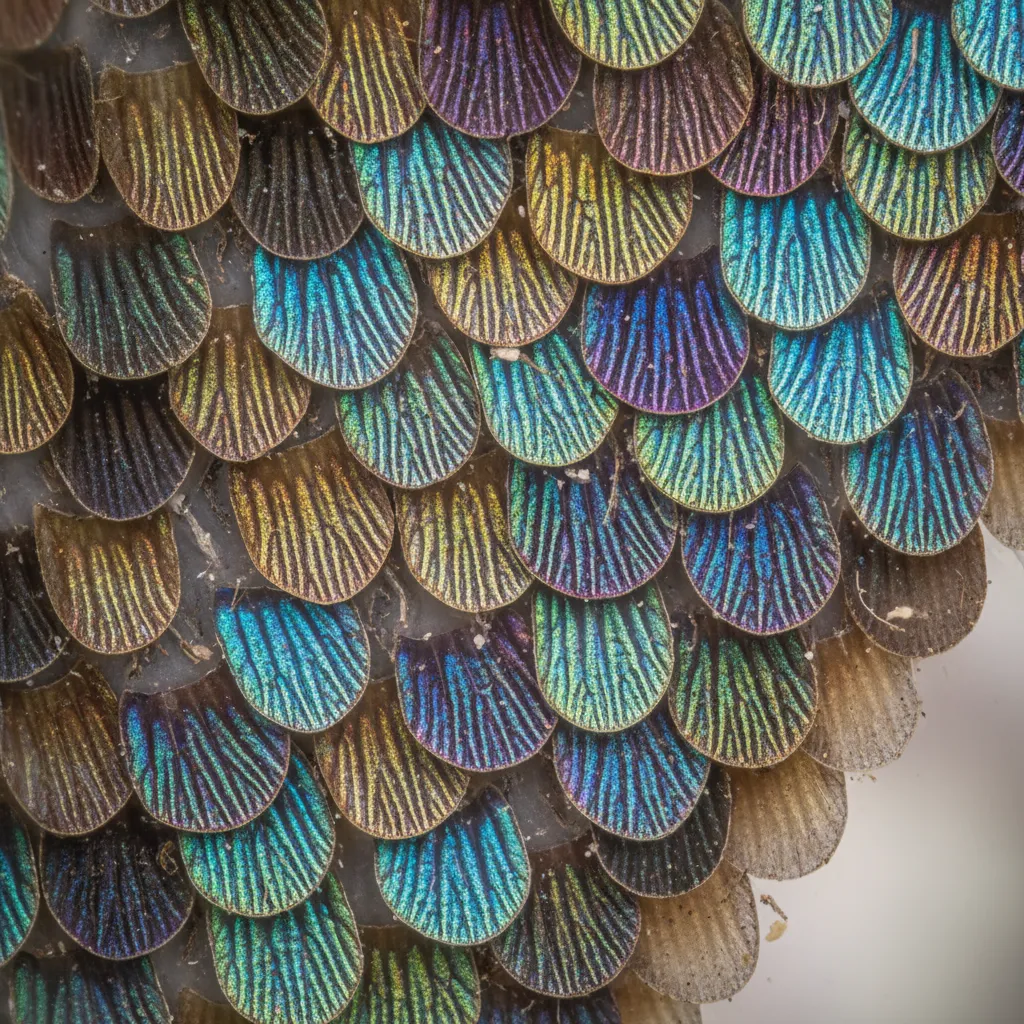
- Butterfly wings are covered in overlapping scales made of chitin, the same material as the rest of the exoskeleton.
- Color comes from two sources: pigment chemicals in the scales, and microscopic surface structures that scatter or reflect specific wavelengths of light.
- Wing shape is closely tied to flight style. Broader wings suit gliding, while narrower wings favor speed and maneuverability.
- Patterns serve real purposes: camouflage, predator warnings, mimicry of toxic species, and mate recognition.
What Butterfly Wings Are Made Of
A butterfly wing is not a solid structure. It’s more like a membrane stretched over a framework of hollow tubes called veins. These veins carry hemolymph (insect blood), air, and nerve signals into the wing.
They also act as structural supports, keeping the wing rigid enough to generate lift without being so heavy that flight becomes impossible.
The membrane itself is made of chitin, a tough, lightweight polymer that forms the basis of most insect exoskeletons. What makes butterfly wings different from, say, a beetle’s wing case is how thin the chitin layer is. In some species, like glasswing butterflies, it’s thin enough to be almost completely transparent.
Covering that membrane on both the upper and lower surfaces are thousands of tiny scales, also made of chitin. These scales overlap like roof shingles, and each one is connected to the wing membrane by a small socket. They’re flat, often flattened further into something like a microscopic pancake, and they measure roughly 50 to 200 micrometers in length, about the width of a human hair.
You can rub them off with a finger, which is why handling butterflies by the wings leaves a powdery residue on your skin.
The veins divide the wing into regions called cells, and the arrangement of those cells is one of the ways entomologists classify butterfly species. If you want to understand the full picture of butterfly anatomy, wing venation is one of the first things to learn. It’s a surprisingly detailed map of what’s going on inside those wings.
How Wing Scales Create Color
This is where butterfly wings get genuinely interesting from a physics standpoint. The color you see on a butterfly wing comes from one of two mechanisms, and sometimes both at once.
The first is pigment-based color. Pigment molecules absorb certain wavelengths of light and reflect others back to your eye. Most of the yellows, oranges, and whites in butterfly wings come from this kind of chemistry.
Flavonoids, melanins, and pterins are among the common pigment types. These colors are stable and don’t change depending on the angle you’re looking from.
The second mechanism is structural color, and it’s responsible for some of the most striking blues, greens, and iridescent effects you see on wings. Instead of absorbing and reflecting light through chemical means, the scales have microscopic surface structures (ridges, lattices, and layers) that interfere with light waves. Depending on the angle, different wavelengths cancel out or reinforce each other, producing colors that seem to shift as you move.
The Blue Morpho butterfly is the most-cited example: its wings contain no blue pigment at all. The dazzling blue comes entirely from light interacting with the nanostructures on the scale surface.
Researchers have been studying these structures partly out of curiosity and partly because they have potential applications in materials science. Smithsonian Magazine has a good breakdown of how structural color works and why scientists find it worth replicating in synthetic materials.
Some butterflies use both methods simultaneously. A single scale might have a background pigment color with structural color layered on top, producing combinations that are difficult to reproduce artificially. If you’re curious how this plays out in a specific species, the monarch butterfly’s color patterns offer a clear example of pigment-driven wing design and what those colors are actually communicating.
Wing Shape and Flight
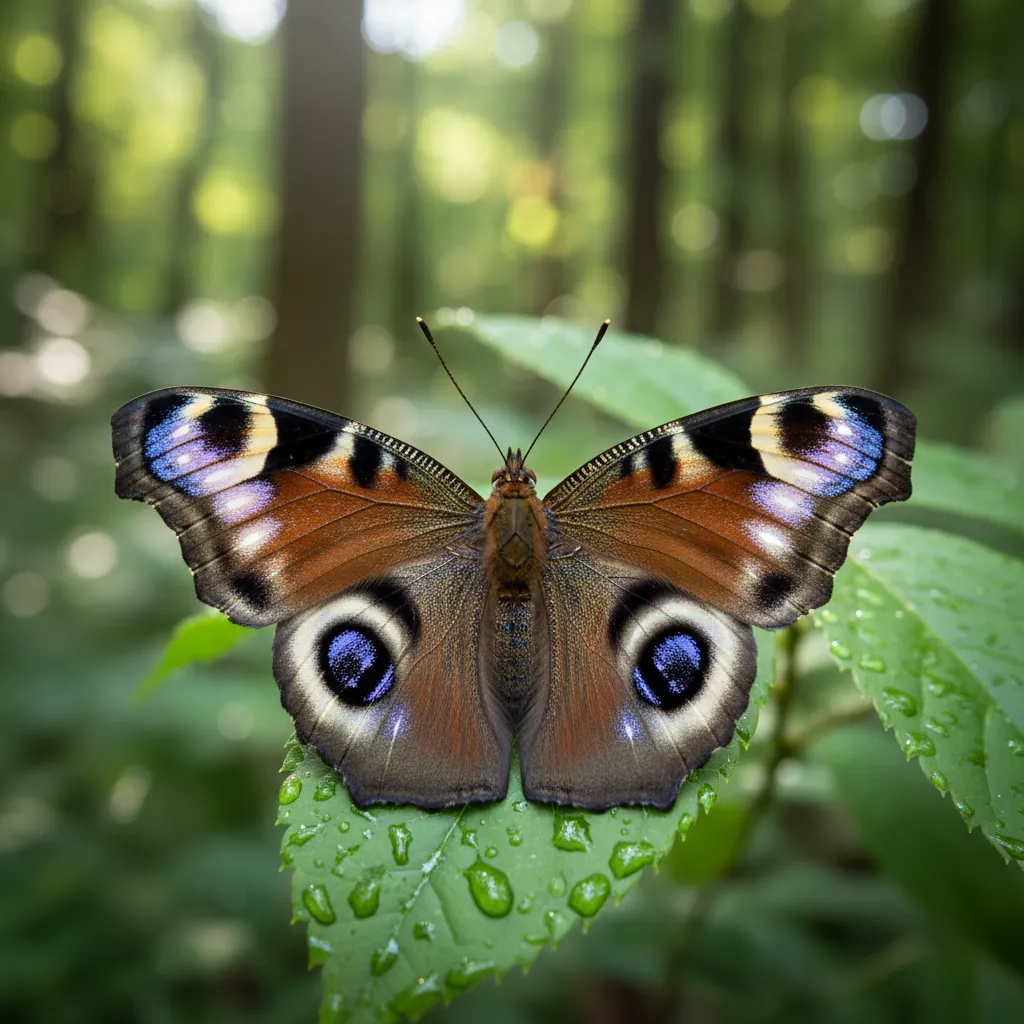
Butterflies have four wings: two forewings and two hindwings. The relationship between them matters a lot in flight. When a butterfly flies, the forewings and hindwings don’t always move independently.
In many species they’re loosely coupled, moving together to create a larger, more effective surface.
Wing shape varies considerably across families and species, and those differences correlate with how a butterfly moves through the world. Broad, rounded wings (like those on a large swallowtail or a monarch) generate more lift relative to body weight, making them good gliders. Species that migrate long distances tend toward this shape.
The monarch’s high aspect ratio wings are built for sustained travel, not quick turns.
Narrower, more elongated wings, like those found on skippers, trade glide efficiency for speed and agility. Skippers are built for quick, darting flight between low plants. They’re not covering hundreds of miles; they’re dodging predators and competing for territory in a small patch of meadow.
The hindwings often carry tails or extended lobes. Think of the long streamers on a zebra swallowtail. These aren’t purely decorative.
Research suggests that the tails may redirect attacks from predators toward the wing tip rather than the body, giving the butterfly a chance to escape with minor damage. They may also create visual confusion during flight, making it harder for a predator to track the butterfly’s true center of mass.
The mechanics of how all this translates into actual flight, including the stroke angle, clap-and-fling aerodynamics, and how butterflies use unsteady airflow to stay aloft, is covered in more detail in this piece on how butterflies fly.
Why Wing Patterns Matter
The patterns on butterfly wings aren’t random, and they’re not purely aesthetic. They’ve been shaped by millions of years of natural selection, and they serve a few distinct functions.
Camouflage
When a butterfly closes its wings and sits still, the underside is what a predator sees. Many species have undersides that closely match their resting environment. The dead leaf butterfly (Kallima inachus) is a famous example.
The underside of its wings mimics a dried leaf so convincingly that it includes what appears to be a midrib, veins, and even spots that look like fungal damage. The match is specific enough to fool visually hunting predators like birds, which rely on pattern recognition to find prey.
Warning Colors and Mimicry
Some butterflies are toxic or taste terrible to predators because they sequester chemicals from the plants their caterpillars ate. These species often have bold, high-contrast patterns: reds, oranges, blacks, and yellows that are easy to see and remember. The message to a predator is simple.
You ate one of me before, it went badly, don’t try again. This is called aposematism.
Mimicry takes this further. Non-toxic species can evolve to look like toxic ones, gaining protection without having to do the biochemical work of storing poisons. The viceroy butterfly’s resemblance to the monarch is the textbook example of this, though more recent research suggests the relationship between these two species is more complex than the classic “mimic and model” story implies. National Geographic’s coverage of monarch biology touches on some of that nuance.
Eyespots
Eyespots are circular patterns that resemble eyes, and they appear on a wide range of butterfly and moth species. The prevailing explanations are that they either startle predators (creating a brief hesitation that lets the butterfly escape) or redirect attacks toward the wing rather than the body. Both effects likely happen, and which one dominates probably depends on the predator and the context.
Mate Recognition
Wing patterns also play a role in finding mates. Many species have patterns that are visible in ultraviolet light, which butterflies can perceive but humans can’t without special equipment. What looks like a plain white wing to us might have elaborate UV markings that are highly legible to another butterfly of the same species.
This is one reason wing patterns are so species-specific: they function as identification signals within a population.
The way wing patterns interact with survival strategies goes deep into butterfly adaptations more broadly. Wings are just one piece of a larger set of tools these insects use to stay alive long enough to reproduce.
Can Butterflies Fly With Damaged Wings?
Yes, often. Butterflies in the wild frequently have torn, faded, or missing sections of wing, and many of them continue flying. The degree to which damage affects flight depends on where the damage is and how much wing area is lost.
Studies using monarch butterflies have shown that they can lose a substantial portion of their hindwing and still fly, though their efficiency drops. The forewings carry more of the aerodynamic load, so damage there is generally more disabling than hindwing damage of the same size.
Wings don’t heal the way skin does. Chitin is a structural material, not living tissue with its own blood supply in the way vertebrate tissue works. A tear stays a tear.
Scales that fall off don’t grow back. A butterfly that loses wing area to a bird strike or a bad landing is operating with that reduced capacity for the rest of its life.
This is part of why the wing tips and margins often seem to take the brunt of damage. Features like tails and eyespots near the wing edges may function to absorb predator attacks in a survivable way, sacrificing wing tip for body. A butterfly missing a centimeter of tail can still fly.
A butterfly with a punctured thorax cannot.
Wing condition also declines naturally with age. Older butterflies have more worn, faded wings as the scales break down over time from UV exposure, friction against vegetation, and normal flight wear. By the end of a butterfly’s life, the wings are often significantly more worn than when the animal first emerged from the chrysalis.
Frequently Asked Questions
What are butterfly wings made of?
Butterfly wings consist of a thin chitin membrane supported by hollow veins, covered on both sides by overlapping chitin scales. The scales are what give wings their color and texture. Underneath, the membrane is often transparent.
This is visible in glasswing butterflies where the scales are sparse or absent in parts of the wing.
How do butterfly wings get their color?
Wing color comes from pigments within the scales and from structural color produced by microscopic surface features that interact with light. Pigment color stays constant regardless of viewing angle. Structural color shifts with the angle, which is why some butterfly wings appear iridescent or change hue as the butterfly moves.
Why do butterflies have patterns on their wings?
Wing patterns serve multiple purposes: camouflage when resting, predator deterrence through warning colors, mimicry of toxic species, startle responses via eyespots, and species and mate recognition. In many cases, the upper and lower surfaces of the wing carry different patterns serving different functions. The upper surface may be used for signaling while the lower surface provides camouflage.
Can you touch a butterfly’s wings without hurting it?
Brief, gentle contact is unlikely to cause serious harm, but repeated handling does remove scales and can damage the wing structure. The powder you see on your fingers after touching a butterfly wing is loose scales. Lost scales reduce the effectiveness of color patterns and can affect flight efficiency in heavily handled individuals.
The main risk of handling is not touching the wings but squeezing or bending them, which can cause structural damage.
Do butterfly wings grow back?
No. Once a butterfly has emerged from its chrysalis, its wings are fixed structures. Torn or missing sections do not regenerate, and scales that fall off don’t regrow.
The wings are fully formed during the pupal stage. A newly emerged butterfly pumps hemolymph into the wing veins to inflate and harden the wings, and after that the wings are set. Any damage that occurs during the adult stage is permanent.