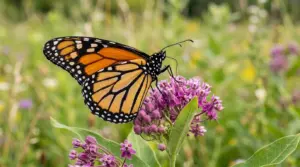



Welcome to our article on attracting butterflies to your garden with our easy and nourishing butterfly food recipe. Butterflies are mesmerizing creatures that bring beauty and joy to any outdoor space. By providing them with the right food sources, you can create a fluttering paradise right in your own backyard.
In addition to selective planting of flowers and shrubs, there are many simple ways to offer butterflies their food. These alternative butterfly food sources, such as over-ripe fruit or homemade butterfly nectar, are known as “attractants.” Attractants can lure butterflies into your yard even if it isn’t an ideal wildflower meadow.
Butterflies use a variety of food sources to sustain them, including over-ripe fruit, rotting vegetation, and homemade nectar. In this article, we will explore the importance of butterfly food, natural food sources, homemade butterfly nectar recipes, and tips on creating a butterfly feeding station. Let’s dive in and discover how to attract and nourish these delicate garden guests.
Key Takeaways:
- By providing butterfly food, you can attract more butterflies to your garden and create a thriving habitat for these beautiful creatures.
- Native flowers and plants that provide nectar and host plants for caterpillars are essential food sources for butterflies.
- Creating your own homemade butterfly nectar is a simple and cost-effective way to attract butterflies.
- Over-ripe fruit can be used to create a feeding station for butterflies.
- Regular maintenance and cleaning of your butterfly feeder are essential to ensure the health and well-being of butterflies.
Why Is Butterfly Food Important?
Providing food for butterflies is crucial for their survival and the overall health of your garden. Butterflies need nourishment to support their active flight and reproductive processes. Without proper food sources, butterflies may struggle to find energy and may not be able to reproduce successfully. By offering them a variety of food options, you can attract more butterflies to your garden and create a thriving habitat for these beautiful creatures.
Natural Butterfly Food Sources
Butterflies rely on a variety of natural food sources in the wild. By providing these sources in your garden, you can attract and support these beautiful creatures. Native flowers and plants that offer nectar are essential for butterflies to obtain the energy they need. Additionally, specific host plants play a crucial role in supporting caterpillar growth and reproduction.
Nectar-Producing Flowers
Planting a diverse range of native flowers will ensure a continuous supply of nectar for butterflies. Some excellent choices include:
- Milkweed
- Coneflowers
- Asters
These flowers not only provide a valuable food source but also add vibrant colors and beauty to your garden. Be sure to research and select native flowers that are suitable for your specific region to attract local butterfly species.
Host Plants for Caterpillars
Host plants are essential for butterfly reproduction as they provide a suitable environment for female butterflies to lay their eggs and support the growth of caterpillars. Including the following host plants in your garden will attract more butterflies:
- Milkweed
- Parsley
- Dill
These plants serve as food sources for caterpillars and ensure their survival during the early stages of their lifecycle. By incorporating both nectar-producing flowers and host plants, you can create a butterfly-friendly garden that supports the complete lifecycle of these magnificent insects.
Planting a diverse range of native flowers not only provides butterflies with the nectar they need but also supports pollination and overall garden health.”
Homemade Butterfly Nectar Recipe
Creating your own homemade butterfly nectar is a simple and cost-effective way to attract butterflies to your garden. By providing them with a rich source of nutrition, you can entice these graceful creatures to visit and stay in your floral sanctuary.
Ingredients:
| Ingredients | Quantity |
|---|---|
| Water | 4 parts |
| Granulated sugar | 1 part |
This basic recipe uses a combination of water and sugar to recreate the sweet nectar that butterflies seek. Follow these simple steps to create your own homemade butterfly nectar:
- In a saucepan, mix 4 parts water with 1 part granulated sugar.
- Heat the mixture over medium heat, stirring until the sugar is completely dissolved.
- Bring the solution to a gentle boil, then remove from heat and let it cool.
- Once cooled, pour the homemade nectar into a shallow container.
For added convenience and attractiveness to butterflies, consider using absorbent materials to serve the nectar. Saturate paper towels with the sugar solution and place them in the container. You can also add yellow and orange kitchen scouring pads to create resting spots for butterflies while they drink.
Position the shallow container with the homemade nectar in a strategic location within your garden, ensuring easy access for butterflies. Watch as these delightful creatures flutter and feast on the irresistible nectar you have prepared.
Remember to regularly replenish the nectar, especially during warmer months when butterflies are most active. This will ensure a constant supply of food and encourage the return of these beautiful visitors to your garden.
Feeding Butterflies with Over-Ripe Fruit

When it comes to attracting butterflies to your garden, over-ripe fruit can be a delicious and enticing food source. Butterflies are naturally drawn to the sweet aroma and fermenting juice of fruit that is past its prime. By incorporating this simple yet effective feeding method, you can create a feeding station that will not only provide butterflies with a rich source of nutrients but also help attract them to your garden.
Butterflies have a particular fondness for soft fruits such as bananas, oranges, strawberries, and peaches. These fruits emit a tempting scent that butterflies find irresistible. Here’s how you can offer these delectable treats to your fluttering friends:
- Place slices of over-ripe fruit on a flat dish or plate in an area where butterflies frequent. The mushy, rotting texture of the fruit is perfect for butterflies to extract nourishment from.
- If you prefer a more elevated display, you can hang chunks of fruit on a wire or string. This allows butterflies to feed while perching, offering them a convenient spot to enjoy their fruity feast.
Feeding butterflies with over-ripe fruit not only provides them with essential nutrients but also offers an opportunity for you to observe these magnificent creatures up close. The enticing scent and vibrant colors of the fruit will attract a variety of butterfly species, granting you a front-row seat to their graceful beauty.
Remember to replace the fruit regularly to ensure freshness and cleanliness. Over time, the fruit will degrade and become unappetizing for both butterflies and humans.
So, gather those over-ripe fruits from your kitchen, create a tempting feeding station, and watch as butterflies flock to your garden, transforming it into a haven of vibrant colors and graceful flights.
Take a look at the image below to get a visual glimpse of butterflies feasting on over-ripe fruit:
Creating a Butterfly Feeding Station
A butterfly feeding station is a wonderful addition to any garden and can be easily created using items you may already have around your home. By providing a dedicated space for butterflies to feed, you can attract these beautiful creatures and enhance the overall beauty of your garden.
Here are some simple steps to create your own DIY butterfly feeder:
Gather Your Materials
- A ceramic or glass pie plate, plastic or terra cotta plant saucer, or a dish with a sloping rim
- Flower pot hangers or twine to suspend the feeder
- Over-ripe fruit slices
- Fruit juice or water (if needed)
Once you have these materials ready, you can proceed to set up your butterfly feeding station:
Step 1: Choose the Right Location
Find a shady spot in your garden or on a flat surface slightly higher than your highest flowers. This will provide a comfortable and easily accessible feeding area for butterflies.
Step 2: Suspend the Feeder
Use flower pot hangers or twine to suspend the feeder at the desired height. Make sure it is secure and stable.
Step 3: Add Over-Ripe Fruit
Place slices of over-ripe fruit on the feeder. Butterflies are attracted to the sweet scent and fermenting juice of over-ripe fruit, making it an irresistible food source for them.
Step 4: Maintain Moisture
If needed, sprinkle a little fruit juice or water on the fruit to keep it moist. This will ensure the butterflies have easy access to the nectar within the fruit.
Remember to replace the fruit if it dries out or becomes moldy to maintain a fresh and nutritious food source for the butterflies.
Creating a butterfly feeding station is a simple and rewarding DIY project that can attract a wide variety of butterflies to your garden. It provides them with a reliable source of food and creates a visually appealing area for you to observe these graceful creatures in action.
So, why wait? Start building your very own butterfly feeding station today and enjoy the delightful presence of butterflies in your garden.
Feeding Butterflies with Butterfly Nectar Sponge
While planting native flowers and providing over-ripe fruit are common ways to attract butterflies to your garden, using a butterfly nectar sponge is another effective method of feeding these beautiful creatures.
This innovative technique involves cutting sponges into smaller rectangles and creating a small hole in each sponge. Thread a string or twine through the sponge and dip it into a homemade nectar solution.
Hang the sponge from a tree limb or other suitable location in your garden, allowing butterflies to feed on the sweet nectar. This convenient and accessible food source serves as a magnet for butterflies, drawing them to your backyard.
To better visualize the process, the table below outlines the steps for creating and using a butterfly nectar sponge:
| Steps for Using Butterfly Nectar Sponge |
|---|
| 1. Cut sponges into smaller rectangles. |
| 2. Make a small hole in each sponge. |
| 3. Thread string or twine through the sponge. |
| 4. Dip the sponge into a homemade nectar solution. |
| 5. Hang the sponge from a tree limb or other suitable location. |
| 6. Allow butterflies to feed on the nectar. |
“Using a butterfly nectar sponge is a simple and effective way to provide nourishment to butterflies in your garden. Hang one in a prominent location and watch as these delicate creatures flutter by to enjoy the sweet nectar.”
By incorporating a butterfly nectar sponge into your garden, you can attract a wide variety of butterfly species and create a vibrant oasis for these enchanting insects.
Importance of Providing Continuous Food

When it comes to attracting and sustaining butterfly populations in your garden, providing a continuous supply of food is of utmost importance. Butterflies have a relatively short lifespan, and they rely on a constant source of nectar and other food sources to meet their energy needs. By ensuring that there is always something available for butterflies to feed on throughout the growing season, you can create a flourishing habitat and support these delicate creatures.
A key strategy for maintaining a continuous food supply is to cultivate a variety of plants that bloom at different times. This way, you can ensure that there is always a source of nectar and sustenance available for butterflies, regardless of the season or the stage of their life cycle. By selecting a diverse range of flowering plants that bloom at different times, you can create an enticing buffet of butterfly delights in your garden.
Consider incorporating both native and non-native flower species in your garden design to provide a wider array of food options for butterflies. Native flowers are particularly important as they have evolved alongside local butterfly populations and are often preferred by these delicate insects. However, expanding your plant selection to include non-native flowers can help extend the availability of food sources, especially during periods when native plants are not in bloom.
Remember, when selecting flowers for your butterfly habitat, aim for a mix of early, mid, and late-season bloomers to create a continuous supply of food throughout the entire growing season.
Here are some examples of butterfly-friendly plants that bloom at different times:
- Spring bloomers: Crocus, Daffodil, Lilac
- Summer bloomers: Coneflower, Black-eyed Susan, Monarda
- Fall bloomers: Asters, Sedum, Goldenrod
Incorporating a variety of plants with different blooming periods not only ensures a continuous supply of food but also enhances the visual appeal of your garden. Witness the mesmerizing dance of butterflies as they flit from flower to flower, sipping nectar and bringing life to your outdoor space.
The Benefits of Continuous Food
Providing a continuous supply of food for butterflies offers several benefits, including:
- Supporting butterfly populations: By maintaining a consistent food source, you can help sustain butterfly populations in your area, contributing to their overall well-being and conservation.
- Encouraging migration: Butterflies need ample energy to embark on their migration journeys. Continuous food availability ensures they have the strength to travel long distances.
- Promoting successful breeding: Female butterflies require abundant food to produce healthy eggs. By providing continuous food, you increase the chances of successful reproduction and the survival of future generations.
- Enhancing garden biodiversity: A garden rich in nectar-producing flowers attracts not only butterflies but also other beneficial insects, such as bees and hummingbirds, promoting a balanced ecosystem.
By maintaining a continuous supply of butterfly food, you can create a haven for these enchanting creatures, while also contributing to their conservation and the overall health of your garden.
Caring for a Butterfly Feeder
Regular maintenance and cleaning of your butterfly feeder are essential to ensure the health and well-being of the butterflies. By taking proper care of your feeder, you can provide a clean and safe food source, promoting the thriving presence of these delicate creatures in your garden.
Here are some important steps to follow when caring for your butterfly feeder:
- Clean the feeder: Clean the feeder every few days using hot water and a mild bleach solution to prevent mold and bacterial growth. Gently scrub the feeder to remove any debris or residue.
- Rinse thoroughly: Rinse the feeder thoroughly with water to remove any traces of bleach or cleaning solution. Ensure that the feeder is completely dry before refilling it.
- Refill with fresh nectar or fruit: After cleaning, refill the feeder with fresh homemade butterfly nectar or over-ripe fruit. This will provide butterflies with a replenished food source.
- Monitor for mold or spoilage: Regularly check the feeder for any signs of mold or spoilage. If you notice any, immediately clean the feeder and replace the nectar or fruit.
By maintaining a hygienic feeding station, you are ensuring the butterflies have access to a clean and safe food source. This will help attract more butterflies to your garden and contribute to their overall well-being.
Now let’s take a look at the visual representation of the proper care for a butterfly feeder:
| Step | Description |
|---|---|
| 1 | Clean the feeder with hot water and mild bleach solution |
| 2 | Rinse the feeder thoroughly with water |
| 3 | Refill with fresh nectar or fruit |
| 4 | Monitor for mold or spoilage |
Protecting Butterflies and Their Food Sources
Protecting butterfly habitats and conserving their food sources is vital for the survival and well-being of these beautiful creatures. By taking simple steps in your garden, you can play an important role in safeguarding butterfly populations.
Avoiding the use of pesticides and herbicides is essential for protecting butterflies. These chemicals can be harmful to butterflies and other beneficial insects that contribute to a healthy ecosystem. Instead, opt for natural and organic gardening practices to create a safe and sustainable environment.
Planting a variety of native flowers is another way to protect butterfly food sources. Native flowers provide essential nectar for butterflies, ensuring they have a constant supply of food. Additionally, consider incorporating host plants into your garden. These specific plants provide food and shelter for butterfly larvae, supporting their growth and development.
By creating a butterfly-friendly garden, you not only contribute to the conservation of butterfly habitats but also create a vibrant and beautiful space for yourself to enjoy. Your efforts in protecting butterfly food sources will attract these delicate creatures and add to the biodiversity of your garden.
In summary, protecting butterfly habitats, conserving their food sources, and avoiding the use of pesticides are essential for the survival and well-being of butterflies. By adopting natural gardening practices and planting a variety of native flowers, you can help create a nurturing environment for these captivating insects.
Tips for Attracting More Butterflies to Your Garden
Attracting butterflies to your garden is a delightful way to enhance its beauty and contribute to the preservation of these enchanting creatures. By following these tips, you can create an inviting environment that attracts a diverse range of butterflies and helps increase their populations.
Plant a Diverse Range of Flowers
A variety of flowers in your garden provides a continuous source of nectar, attracting butterflies throughout the season. Choose different species that bloom at different times to ensure a steady supply of food. Some excellent choices include:
- Milkweed
- Butterfly bush
- Lantana
- Zinnia
- Black-eyed Susan
Incorporate Host Plants
Including host plants in your garden provides a suitable environment for butterfly reproduction and caterpillar growth. These plants serve as food sources for caterpillars and support the life cycle of butterflies. Some popular host plants include:
- Milkweed
- Parsley
- Fennel
- Dill
- Passionflower
Create Resting Spots and Shelters
Butterflies not only need food but also require places to rest and seek shelter from adverse weather conditions. You can create resting spots by adding rocks or small boulders in sunny areas of your garden. Providing butterfly houses or shelters also gives them a safe space to take refuge. These additions enhance the overall attractiveness and functionality of your garden for butterflies.
Avoid Chemical Insecticides
Chemical insecticides can be harmful to butterflies and other beneficial insects. Opt for natural pest control methods and avoid the use of chemical sprays in your garden. By practicing organic gardening, you create a safer and more inviting environment for butterflies.
Provide a Water Source
Butterflies require water for hydration, especially on hot summer days. Place a shallow dish filled with pebbles in your garden and add water to create a butterfly-friendly drinking spot. The pebbles provide a landing surface and prevent them from drowning.
By implementing these tips, you can transform your garden into a haven for butterflies. Enjoy the mesmerizing dance of these delicate creatures while contributing to the preservation and growth of butterfly populations.
Conclusion
In conclusion, providing butterfly food is essential for attracting and supporting butterflies in your garden. By offering a variety of food sources, such as homemade nectar and over-ripe fruit, you can create a welcoming environment for these delicate creatures.
Planting native flowers, maintaining a clean and hygienic feeding station, and practicing sustainable gardening methods are key to ensuring the health and conservation of butterflies. By creating a butterfly-friendly garden, you not only provide nourishment for butterflies but also contribute to their conservation efforts.
So take the time to nourish your garden guests and enjoy the beauty and grace of fluttering butterflies. With a butterfly food recipe summary in hand, you can easily whip up homemade butterfly nectar and attract these magnificent creatures to your garden. Create a flourishing habitat that will not only delight your senses but also make a positive impact on butterfly populations.
FAQ
Why is butterfly food important?
Providing food for butterflies is crucial for their survival and the overall health of your garden. Butterflies need nourishment to support their active flight and reproductive processes.
What are natural butterfly food sources?
Natural butterfly food sources include native flowers and plants that provide nectar, as well as specific host plants that caterpillars feed on.
How can I make homemade butterfly nectar?
One popular homemade butterfly nectar recipe involves mixing 4 parts water with 1 part granulated sugar. Boil the solution until the sugar is dissolved, then let it cool.
How can I feed butterflies with over-ripe fruit?
Butterflies are attracted to the sweet scent and fermenting juice of over-ripe fruit. Simply place slices of over-ripe fruit on a flat dish or hang chunks of fruit on a wire to create a feeding station.
How can I create a butterfly feeding station?
A butterfly feeding station can be easily created using items like a ceramic or glass pie plate, a plastic or terra cotta plant saucer, or a dish with a sloping rim. Suspend the feeder with flower pot hangers or twine and add slices of over-ripe fruit to attract butterflies.
How can I feed butterflies with a butterfly nectar sponge?
Cut sponges into smaller rectangles, make a small hole in each sponge, thread string or twine through the sponge, and dip it into the nectar solution. Hang the sponge from a tree limb or other suitable location for butterflies to feed on.
Why is it important to provide continuous butterfly food?
Butterflies have a short lifespan and rely on a constant source of nectar and other food sources for energy. By maintaining a variety of plants that bloom at different times, you can ensure there is always something available for butterflies to feed on.
How can I care for a butterfly feeder?
Regularly clean the butterfly feeder every few days using hot water and a mild bleach solution to prevent mold growth. Rinse the feeder thoroughly before refilling it with fresh nectar or fruit.
How can I protect butterflies and their food sources?
Avoid using pesticides or herbicides in your garden, as they can be harmful to butterflies and other beneficial insects. Instead, opt for natural and organic gardening practices to maintain a healthy environment.
What are tips for attracting more butterflies to my garden?
Plant a diverse range of flowers that bloom at different times, incorporate host plants for reproduction, create resting spots and shelters, avoid chemical insecticides, and provide a water source for butterflies to drink from.
What is the importance of providing butterfly food?
Providing butterfly food is essential for attracting and supporting butterflies in your garden. By offering a variety of food sources, you can create a welcoming environment and contribute to the health and conservation of these delicate creatures.