


When and Where Butterflies Lay Their Eggs
Butterfly egg-laying looks casual from a distance, a female fluttering around a plant, pausing briefly, moving on. But what is actually happening is a precise evaluation process that determines whether her offspring live or die. The female is not randomly dropping eggs. She is tasting, assessing, and selecting with a level of discrimination that puts most house hunters to shame.
Every female butterfly carries a limited number of eggs. Getting them onto the right plant is the single most important reproductive decision she makes, and her body has evolved a remarkable set of tools to make that decision well. Understanding how and where butterflies lay eggs changes how you look at a butterfly that seems to just be “flying around.”
How Butterflies Choose Where to Lay Eggs
Female butterflies locate host plants using a combination of sight, smell, and taste. At a distance, they use visual cues to identify plants that match the shape, color, and general appearance of their preferred hosts. As they get closer, they detect chemical compounds released by the plant, called volatiles, which help confirm the identification. When they land, the final evaluation happens through taste receptors in their feet.
Butterflies have chemoreceptors on their tarsi (feet) that are roughly 200 times more sensitive than the human tongue. When a female drum her feet on a leaf, she is literally tasting it to check whether it contains the right chemicals for her caterpillars to eat. If the chemical profile is correct, she will typically curve her abdomen and deposit an egg. If not, she moves on within seconds.
This selectivity is not arbitrary. Each butterfly species has evolved alongside specific host plants, and their caterpillars are often incapable of digesting other plants. A monarch caterpillar cannot survive on anything but milkweed. A black swallowtail caterpillar needs plants in the carrot family. Getting the egg onto the wrong plant means the caterpillar starves. The female’s careful evaluation is a direct investment in her offspring’s survival.
The Role of Plant Chemistry
Many butterfly host plant relationships are driven by specific chemical compounds that the plant produces. Milkweed contains cardenolides, which are toxic to most insects but which monarch caterpillars can tolerate and actually sequester for their own defense. Pipevine contains aristolochic acids, which are similarly toxic but manageable for pipevine swallowtail caterpillars. These chemical barriers exclude most insects while specialists exploit them for protection.
The female butterfly has evolved to detect these specific compounds and treat them as positive signals. The chemicals that repel most insects attract the specialist. Glucosinolates in cabbage and other brassicas attract cabbage white butterflies and black mustard-feeding blues. Alkaloids in passionflowers attract gulf fritillary females. The chemistry is the beacon.
This system can be disrupted when plants are stressed or grow in unusual conditions. A milkweed plant that is dried out or nutrient-deficient may produce a different chemical profile, which can make monarch females pass it by even though it looks structurally like the right plant. Gardeners who notice butterflies ignoring their host plants may find that plant health plays a role in whether females choose to use them.
When Do Butterflies Lay Eggs?
Most butterflies lay eggs during warmer parts of the day, typically from mid-morning through mid-afternoon when temperatures are high enough for flight activity. Very early morning and late evening laying does occur but is less common. Temperature matters because butterflies are ectotherms and need external warmth to maintain the body temperature needed for active flight and muscle function.
The timing within the season depends on the species. Many species time egg-laying to coincide with new growth on host plants. Monarchs typically lay their northward migration eggs in spring when milkweed is first emerging, so caterpillars have access to tender young growth. Some species are more flexible and will lay throughout the growing season as long as conditions are suitable.
Weather affects egg-laying behavior directly. Cool, cloudy days typically see reduced egg-laying activity. Strong winds can prevent females from landing on host plant leaves effectively. Rain can interrupt a laying bout. On warm, calm, sunny days after a rain event, you often see a burst of egg-laying activity as females catch up on what they missed during bad weather.
Where on the Plant Are Eggs Laid?
The exact placement of eggs on the host plant varies by species and reflects the feeding habits of the caterpillar. Monarch females typically lay a single egg on the underside of a milkweed leaf, often on young leaves near the growing tip where the tissue is most tender. Placing eggs on the underside offers some protection from rain, direct sun, and predators that search the upper surface.
Some species lay eggs on stems rather than leaves. Others place eggs on the seed pods or flower buds of host plants. Hairstreak butterflies that feed on oak often lay eggs in bark crevices near buds, which protects the egg through the winter and ensures the caterpillar hatches close to emerging new growth in spring. The placement is not random; it reflects the specific requirements of each species’ larvae.
A few species lay eggs in batches rather than singly. Zebra longwing butterflies can lay clusters of yellow eggs on new growth at the tip of passionflower vines. Baltimore checkerspots lay eggs in clusters on turtlehead plants. Batch laying usually correlates with gregarious caterpillar behavior, where the young caterpillars feed together and benefit from group foraging.
How Many Eggs Do Butterflies Lay?
Most butterfly species lay between 100 and 300 eggs over their adult lifetime, though this varies considerably. Some species lay as few as 20 to 30 eggs over their short adult lives. Others, like the clouded yellow in favorable conditions, can lay several hundred. The total number reflects a balance between how much energy the female can invest in egg production and how likely any individual egg is to survive.
Monarchs typically lay between 300 and 500 eggs over their entire lifespan as adults. They spread these out over many plants and many days, rarely laying more than a few eggs on any single plant. This spreading strategy reduces the risk of all offspring being destroyed by a single predator or plant failure. Eggs are cheap to produce compared to the energy cost of migration or overwintering.
Of the hundreds of eggs a female butterfly may lay, only a small fraction survive to become adults. Egg predation, caterpillar predation, weather events, and host plant failure all take a toll. A monarch population study found that roughly 90 to 95 percent of eggs and young caterpillars are lost before they reach the chrysalis stage. The high egg numbers compensate for this high mortality rate.
Egg Appearance and Structure
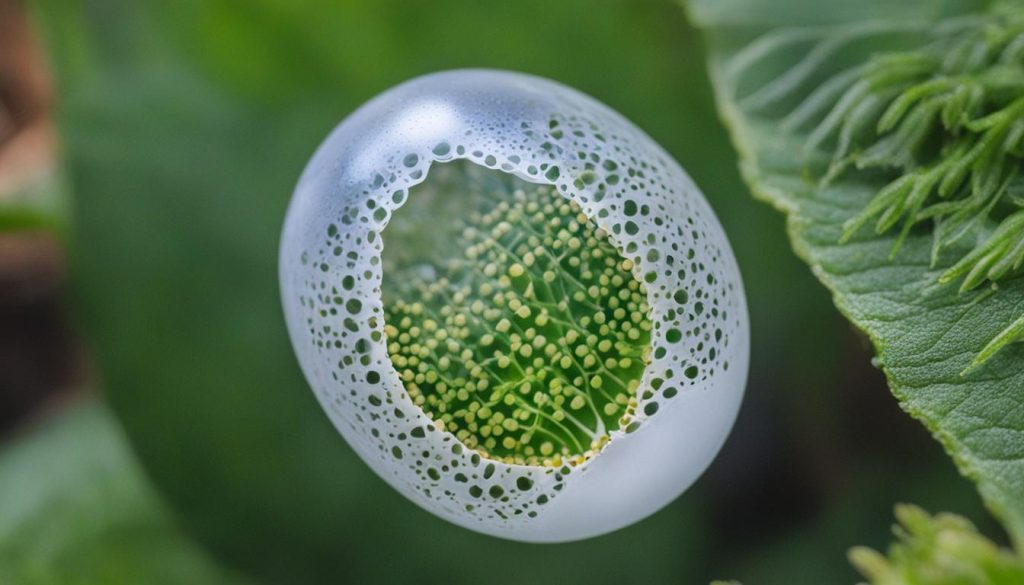
Butterfly eggs come in a surprisingly wide range of shapes. Some are spherical, some are ribbed footballs, some are flat and disk-shaped, and some have elaborate surface textures that look sculpted. The shape and surface structure affect how well the egg adheres to the plant surface and how it exchanges gases with the environment. The tiny holes (micropyles) at the top of the egg allow fertilization and gas exchange.
Monarch eggs are pale greenish-white when first laid, about 1.2mm tall, with a ridged surface that looks like a small ribbed football under magnification. They darken as the caterpillar develops inside, and just before hatching the dark head of the first instar caterpillar becomes visible through the egg shell. The entire egg stage lasts 3 to 5 days under warm conditions.
Egg color and placement are important if you want to find them in the field. Knowing which side of the leaf a given species prefers (upper vs. underside), what the egg looks like, and what color it is at different stages can turn a routine walk through a garden into a treasure hunt. Our butterfly reproduction and lifecycle article covers what happens inside the egg and how the caterpillar develops before hatching.
Avoiding Cannibalism and Competition
One reason many butterfly females lay only one or a few eggs per plant is to avoid sibling competition and cannibalism. Monarch caterpillars, like many species, will eat eggs and young caterpillars if they encounter them while feeding. A female that lays ten eggs on one plant is risking that the first caterpillar to hatch will eat the rest. Spreading eggs across many plants avoids this problem.
Some females also respond to the presence of other eggs on a plant by avoiding that plant altogether. Researchers have shown that certain butterfly species can detect chemicals left by previous egg-layers and will choose a different plant rather than deposit their eggs near existing competition. This is one reason why plants that already have eggs on them are sometimes passed over by females who appear to investigate and then leave without laying.
If you want to attract egg-laying butterflies to your garden, the most effective approach is to plant the right host species and ensure they are healthy. Our caterpillar host plant guide covers which plants attract which species and how to set up a garden that females will actually use for egg-laying rather than just nectaring.
Key Takeaways
- Female butterflies use chemoreceptors in their feet, up to 200 times more sensitive than the human tongue, to taste host plants before deciding whether to lay eggs there.
- Egg placement on the plant is species-specific and reflects where the caterpillar will need to feed, with most species preferring young growth and tender leaf tissue.
- Most butterfly species lay 100 to 300 eggs over their adult lifespan, distributing them across many plants to reduce predation risk and sibling competition.
- Of the many eggs a female lays, only 5 to 10 percent typically survive to become adult butterflies, with predation and weather accounting for most losses.
Frequently Asked Questions
How do butterflies know which plants to lay eggs on?
Butterflies use a combination of visual recognition, smell, and taste. They locate plants visually and by detecting volatile compounds released by the plant. When they land, chemoreceptors in their feet taste the leaf surface to verify the plant’s chemical identity. If the chemistry matches what their caterpillars need, they lay. If not, they move on within seconds.
How many eggs does a monarch butterfly lay?
Monarchs typically lay between 300 and 500 eggs over their adult lifespan, usually one egg per plant. They spread laying across many different milkweed plants over multiple days rather than concentrating all their eggs in one location.
Why do butterflies lay eggs on the underside of leaves?
Placing eggs on the underside of leaves protects them from direct rain, intense sun exposure, and predators that may scan the upper leaf surface. It also positions the newly hatched caterpillar where it is less visible and often closer to the tender tissue it will start feeding on.
How long does it take for a butterfly egg to hatch?
Most butterfly eggs hatch within 3 to 10 days depending on the species and temperature. Monarch eggs typically hatch in 3 to 5 days in warm weather. Species that overwinter as eggs, like some hairstreaks, have eggs that remain dormant for months before hatching in spring when conditions are right.
Will butterflies lay eggs in my garden?
Yes, if you grow the right host plants. Adult butterflies nectaring in your garden may not lay eggs there if you only have flowers and no caterpillar host plants. Adding milkweed for monarchs, dill or parsley for black swallowtails, or passionvine for gulf fritillaries gives females what they need to complete their life cycle in your garden rather than just passing through.