


Butterflies show up everywhere in human mythology, and not just in one corner of the world. From ancient Greece to feudal Japan to the highlands of Mexico, cultures that never had any contact with each other arrived at surprisingly similar ideas about what butterflies mean and what they carry. That kind of cross-cultural pattern is worth paying attention to.
Part of what makes butterfly mythology so persistent is how strange the butterfly’s life actually is. Something that starts as a caterpillar, disappears into a cocoon, and emerges with wings was always going to attract symbolic weight. It didn’t take much imagination to connect that transformation to the soul, to death and rebirth, or to the passage between worlds. For more on how that symbolism developed over time, butterfly symbolism across cultures is worth a read.
What follows is a tour through the major traditions: what people believed, why those beliefs made sense in context, and which ones are still quietly influencing how we think about butterflies today.
Key Takeaways
- In ancient Greece, the word for butterfly and the word for soul were the same: psyche. That connection shaped Western thinking about the afterlife for centuries.
- Native American butterfly traditions vary widely by tribe, but many share the idea that butterflies carry prayers or act as messengers between humans and the spirit world.
- In Japan, butterflies are closely associated with the souls of the dead, and their appearance could be comforting or, in some stories, deeply unsettling.
- Across Europe, folk beliefs about butterflies ranged from seeing the first one of spring as an omen to protecting household butter supplies from butterfly spirits.
Greek Mythology and the Butterfly Soul
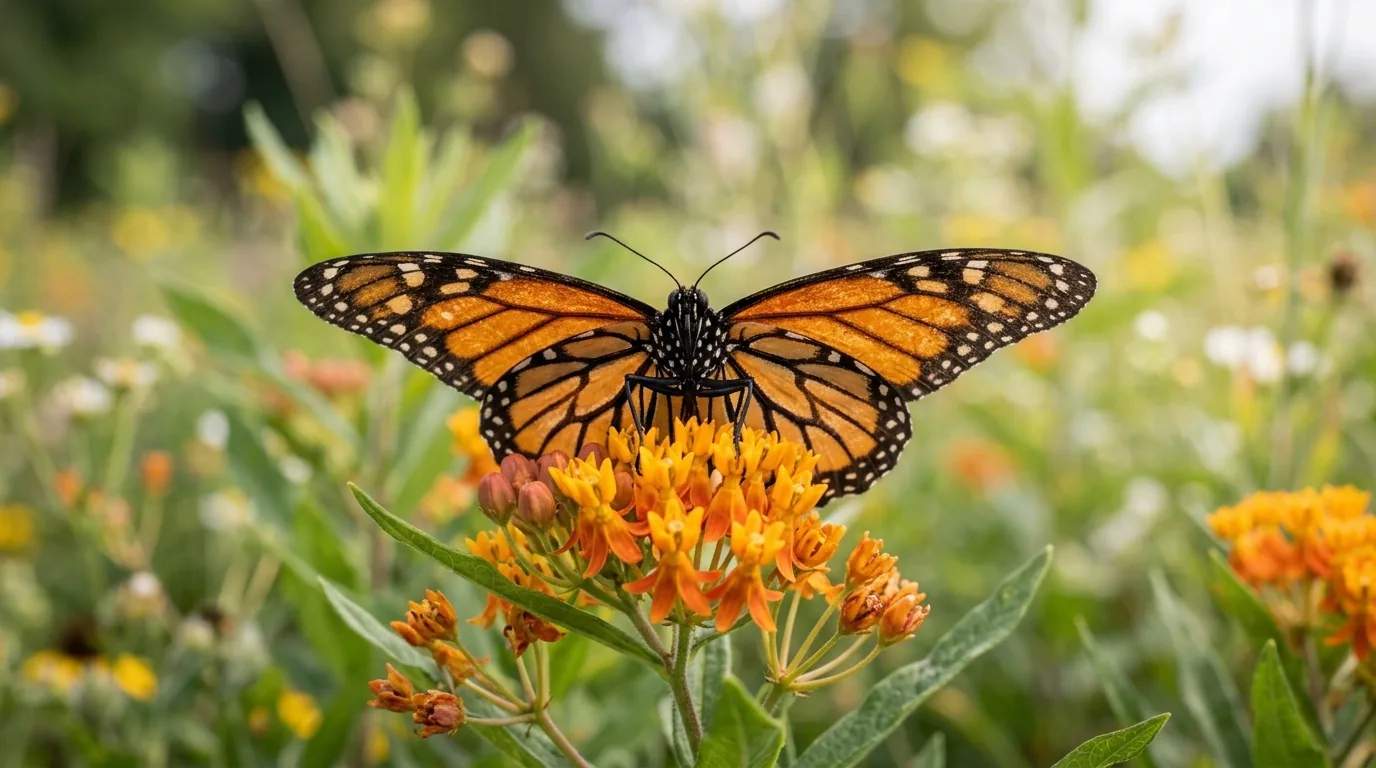
The ancient Greeks used a single word for both butterfly and soul: psyche. That’s not a coincidence. It’s one of the most direct examples of a culture encoding a belief directly into its language. The transformation from caterpillar to butterfly mapped neatly onto their ideas about the soul leaving the body at death and taking on a new, freer form.
The myth of Psyche herself plays on this directly. In the story, Psyche is a mortal woman who becomes the lover of Eros and eventually achieves immortality, essentially becoming a goddess of the soul. Ancient artwork often depicted her with butterfly wings. She’s one of the clearest cases in mythology of a figure whose identity is inseparable from butterfly imagery.
Greek burial art frequently showed butterflies hovering near the mouths of the dying or newly dead. The mouth was thought to be where the soul exited the body, so a butterfly near it wasn’t decorative — it was theological. This image persisted in Roman art as well, and influenced early Christian iconography more than is usually acknowledged.
Native American Butterfly Legends
There’s no single “Native American butterfly mythology” — there are hundreds of distinct tribal traditions, each with their own stories. But some patterns do emerge across many of them, particularly the idea of butterflies as intermediaries between the human world and something beyond it.
Among the Blackfoot people, there’s a tradition of visualizing the person you want to dream about as a butterfly before sleep, as a way of inviting that connection. The butterfly would carry your intention to the other person during the night. It’s a striking example of butterflies as bearers of thought and feeling rather than just visual symbols.
In Hopi tradition, the butterfly kachina — Poli Taka — is associated with flowers, crops, and the general vitality of the natural world. Butterfly dances are still performed in some Pueblo communities today, with women wearing tablet headdresses that represent butterfly wings. These aren’t historical reenactments; they’re living ceremonial traditions.
The Aztecs had a specific butterfly deity called Itzpapalotl, the Obsidian Butterfly. She was a warrior goddess, a far cry from the gentle symbolism most people associate with butterflies. She ruled over a paradise for souls of people who died in childbirth, which placed butterflies squarely in the world of death, sacrifice, and transformation rather than delicate beauty.
Asian Butterfly Folklore
In Japan, butterflies carry a particular weight because of their association with the souls of the living and the dead. A butterfly flying into your home was traditionally seen as the spirit of a recently departed person coming to say farewell. Whether that was comforting or unsettling depended on context — and on whether the butterfly could find its way back out.
The ancient symbolism of butterflies in Japanese culture runs deep enough that it influenced poetry, drama, and visual art for well over a thousand years. The Noh play Hagoromo (The Feather Mantle) draws on themes of transformation and the soul that overlap heavily with butterfly imagery, even when the butterfly itself isn’t the subject.
One of the most famous pieces of Chinese philosophy involves a butterfly. The Taoist thinker Zhuangzi wrote about dreaming he was a butterfly — completely convinced, in the dream, that he was a butterfly and not a man. On waking, he genuinely couldn’t be sure whether he was Zhuangzi who had dreamed of being a butterfly, or a butterfly now dreaming of being Zhuangzi. It’s one of the oldest recorded meditations on the nature of identity and reality, and a butterfly is at its center.
In Chinese culture more broadly, a pair of butterflies is a symbol of romantic love and long partnership. The folk legend of the Butterfly Lovers — Liang Shanbo and Zhu Yingtai — tells of two lovers who, separated by death, are transformed into butterflies and finally reunited. The story is sometimes called the Chinese Romeo and Juliet, though it predates Shakespeare by many centuries.
Celtic and European Butterfly Beliefs
In Ireland, killing a white butterfly was once considered deeply unlucky because white butterflies were believed to carry the souls of dead children. This belief was widespread enough to persist well into the modern era in rural areas. Similar ideas existed in Scotland and parts of Wales, where butterflies appearing near graves were seen as signs that the soul had found peace.
The English word “butterfly” itself may have origins in this tradition. One theory holds that the name comes from a folk belief that butterflies (or witches in butterfly form) would steal butter and milk. Whether or not that etymology holds up to scrutiny, the association between butterflies and dairy theft was real enough to produce laws in some parts of early modern Europe that explicitly named butterflies as supernatural threats to food stores.
In parts of Germany and Austria, the first butterfly you saw in spring was a serious omen. A yellow or white butterfly meant a good harvest year. A brown or dark butterfly meant illness was coming. People didn’t just notice the first butterfly of spring — they watched for it, and took what they saw seriously. The natural history of butterflies and their seasonal appearance gave these beliefs a built-in annual rhythm that kept them alive for generations.
Mexican and Latin American Traditions

In Mexico, the monarch butterfly’s return each autumn aligns almost exactly with Dia de los Muertos celebrations in early November. This timing is not lost on anyone. The Purepecha people of Michoacan, who live in the mountains where monarchs overwinter, have long believed that monarchs carry the souls of ancestors returning for the annual visit. When millions of monarchs arrive each fall, it’s understood as exactly that — the dead coming home.
The monarch migration itself is one of the more astonishing natural events on the continent, and understanding the spiritual weight it carries adds a dimension that pure biology can’t capture. For more on the migration’s mechanics and mysteries, monarch butterfly migration covers the journey in detail.
The Aztec warrior goddess Itzpapalotl, mentioned earlier in the context of Native American traditions, also falls under this regional umbrella. Her name translates to “Obsidian Butterfly,” and she embodied the dual nature that runs through much of Mesoamerican thinking — beauty and violence, creation and destruction, existing in the same form. She wasn’t a contradiction to ancient Aztec thinkers; she was a complete picture of how the world actually worked.
Modern Butterfly Superstitions
A lot of butterfly folklore didn’t die with the cultures that created it — it just changed form. The idea that a butterfly landing on you is a message from a deceased loved one is widely held today, across many different spiritual and religious backgrounds. It shows up in grief counseling literature, in sympathy cards, and in countless personal stories that circulate online.
The color of the butterfly often still carries meaning in folk belief. A white butterfly is the most commonly cited sign of a visiting spirit. Yellow butterflies are often associated with hope or a positive change coming. Black butterflies — particularly in Latin American tradition — are sometimes seen as warning signs, though in other contexts they represent transformation rather than loss.
There’s also the persistent modern belief (with roots in several older traditions) that you should whisper a wish to a butterfly and then release it. The butterfly will carry the wish to the heavens. It’s not traceable to a single culture — it seems to have assembled itself from multiple traditions into something that feels universally intuitive. The butterfly sayings page explores how some of these ideas made their way into everyday language: butterfly sayings and their meanings covers that territory well.
What’s interesting about modern butterfly superstitions isn’t that they’re irrational — it’s that they tap into the same underlying logic that drove butterfly mythology in every culture throughout history. Something about metamorphosis, flight, and fragility makes the butterfly a natural vessel for what people most want to believe about death, change, and connection.
Frequently Asked Questions
What does a butterfly symbolize in most cultures?
The most consistent meaning across cultures is transformation and the soul. Because butterflies go through such a dramatic physical change — from crawling larva to flying adult — they became natural symbols for any kind of fundamental change, including death and rebirth. The specific meaning varies, but that core association is remarkably consistent worldwide.
Why did the ancient Greeks connect butterflies to the soul?
The Greek word psyche meant both “soul” and “butterfly,” and the connection was deliberate. The butterfly’s metamorphosis — especially its emergence from what looks like a death state inside the chrysalis — mapped directly onto Greek ideas about the soul surviving bodily death. Artwork and burial practices from ancient Greece reflect how seriously this connection was taken.
What do monarch butterflies represent in Mexican culture?
For the Purepecha people of Michoacan, the monarch butterfly’s annual arrival in autumn coincides with Dia de los Muertos and is understood as deceased ancestors returning for a visit. The timing of the migration — arriving in vast numbers just as the holiday begins — reinforces a belief that the butterflies carry the souls of the dead back to the world of the living, however briefly.
Is there any truth to the idea that a butterfly landing on you is a message from someone who died?
This is a folk belief rather than something that can be verified, but it’s one held by people across many different cultural and religious backgrounds. It draws on traditions from Japan, Ireland, Mexico, and various Indigenous American cultures, all of which associated butterflies with the souls of the deceased. Whether you find it comforting or credible is a personal matter, but the belief itself has deep roots.
What is the Zhuangzi butterfly dream?
Zhuangzi was a Chinese philosopher writing around the 4th century BCE. In one of his most famous passages, he describes dreaming he was a butterfly — fully living as a butterfly, with no awareness of being human. On waking, he raises a genuine question: is he a man who dreamed of being a butterfly, or is he a butterfly now dreaming of being a man? It’s one of the earliest recorded philosophical explorations of identity and the nature of reality, and it has influenced Chinese thought, Buddhism, and Western philosophy ever since.