

Most adult butterflies live somewhere between two and four weeks. That might sound surprisingly short for a creature so widely admired, but the adult stage is only one chapter in a much longer story. Factor in the egg, caterpillar, and chrysalis stages, and the full lifespan stretches considerably.
And a handful of species break all the rules, surviving for months on end.
So if you have ever spotted a butterfly and wondered how long it had been flying around, or how much time it had left, this guide breaks it all down by species, season, and the biology behind why lifespans vary so wildly.
Key Takeaways
- Most adult butterflies live 2 to 4 weeks in the wild.
- Monarch butterflies are the standout exception, with migratory generations surviving 8 to 9 months.
- The complete life cycle from egg to death typically spans 6 to 11 months depending on species.
- Temperature, predators, and reproductive status all play a role in how long any individual butterfly survives.
Average Butterfly Lifespan
The average adult butterfly lives about two to four weeks. This is the phase most people are familiar with: the winged, nectar-drinking stage that we actually see. It is also the shortest stage of the entire life cycle in most species.
During those weeks, the butterfly has one main job: reproduce. Males spend much of their time patrolling territories and searching for mates. Females focus on finding the right host plants to lay eggs on.
Once reproduction is complete, most adults decline quickly. Their wings become tattered, their ability to feed diminishes, and they die.
That said, two to four weeks is just the middle of the range. Some species, like the cabbage white, may only survive one to two weeks as adults. Others, like the mourning cloak, can live up to eleven months because they overwinter as adults rather than in an earlier stage.
The answer really does depend on which butterfly you are asking about.
Lifespan by Species
Here is a breakdown of adult lifespan for some of the most well-known butterfly species. These figures represent typical ranges under natural conditions.
| Species | Adult Lifespan | Notes |
|---|---|---|
| Monarch (migratory generation) | 8 to 9 months | Overwinters in Mexico; does not reproduce until spring |
| Monarch (summer generation) | 2 to 5 weeks | Shorter-lived generations that breed through summer |
| Mourning Cloak | Up to 11 months | One of the longest-lived butterflies; overwinters as adult |
| Painted Lady | 2 to 4 weeks | Migratory but shorter-lived than monarchs |
| Black Swallowtail | 6 to 14 days | Adults are relatively short-lived |
| Tiger Swallowtail | 2 to 4 weeks | Common across North America |
| Blue Morpho | 2 to 3 weeks | Adult stage is brief despite long larval period |
| Cabbage White | 1 to 3 weeks | Among the shortest-lived common species |
| Red Admiral | Up to 10 months | Overwinters as adult in mild climates |
| Question Mark | 6 to 10 months | Overwinters as adult; multiple generations per year |
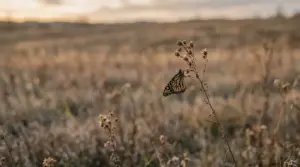
The pattern that stands out immediately is the difference between species that overwinter as adults versus those that do not. Butterflies like the mourning cloak, red admiral, and question mark essentially hit pause during winter by entering a dormant state called diapause. They hide in tree hollows, under bark, or in leaf litter, surviving freezing temperatures, then emerge in spring to mate.
Those extra months of dormancy count toward their total lifespan even though they are not actively flying.
What Affects How Long Butterflies Live
Butterfly lifespan is not fixed. A range of environmental and biological factors can cut a butterfly’s life short or, in some cases, extend it.
Temperature and Season
Butterflies are cold-blooded, so temperature directly controls how fast their metabolism runs. Warmer temperatures speed up every biological process, which means butterflies in hot climates may burn through their adult stage faster than those in cooler regions. Conversely, cool autumn temperatures can trigger diapause in certain species, effectively extending their lifespan by months.
Predators and Threats
Birds, spiders, praying mantises, and wasps all prey on butterflies regularly. A butterfly that survives long enough to reproduce is doing well. Butterfly diseases and parasites also take a significant toll, particularly on caterpillars and pupae, but adults are not immune. A tachinid fly can parasitize an adult butterfly, and various fungal pathogens affect certain species in humid conditions.
Reproductive Activity
Once a butterfly has mated and laid eggs, its biological purpose is technically complete. Many female butterflies decline rapidly after oviposition (egg-laying). Males often die shortly after mating as well.
Butterflies that cannot find mates, or that delay reproduction due to environmental conditions, sometimes live longer as a result.
Food Availability
Adult butterflies feed on nectar, and in some cases fruit, tree sap, or animal dung for minerals. Access to sufficient food sources keeps their energy levels up. Butterflies in degraded habitats with fewer flowering plants may be weaker and shorter-lived than those in nectar-rich environments.
Wing Condition
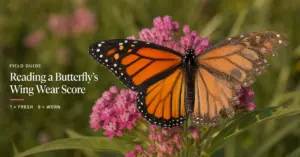
Wings do not regenerate. A butterfly that loses part of a wing to a near-miss with a predator can still fly but will be less efficient at finding food and escaping future threats. Wing damage compounds over time, and heavily damaged adults tend not to survive as long as those in better condition.
The Full Life Cycle Duration
When people ask how long butterflies live, they usually mean the adult stage. But the full picture includes everything from the moment an egg is laid to the death of the adult.
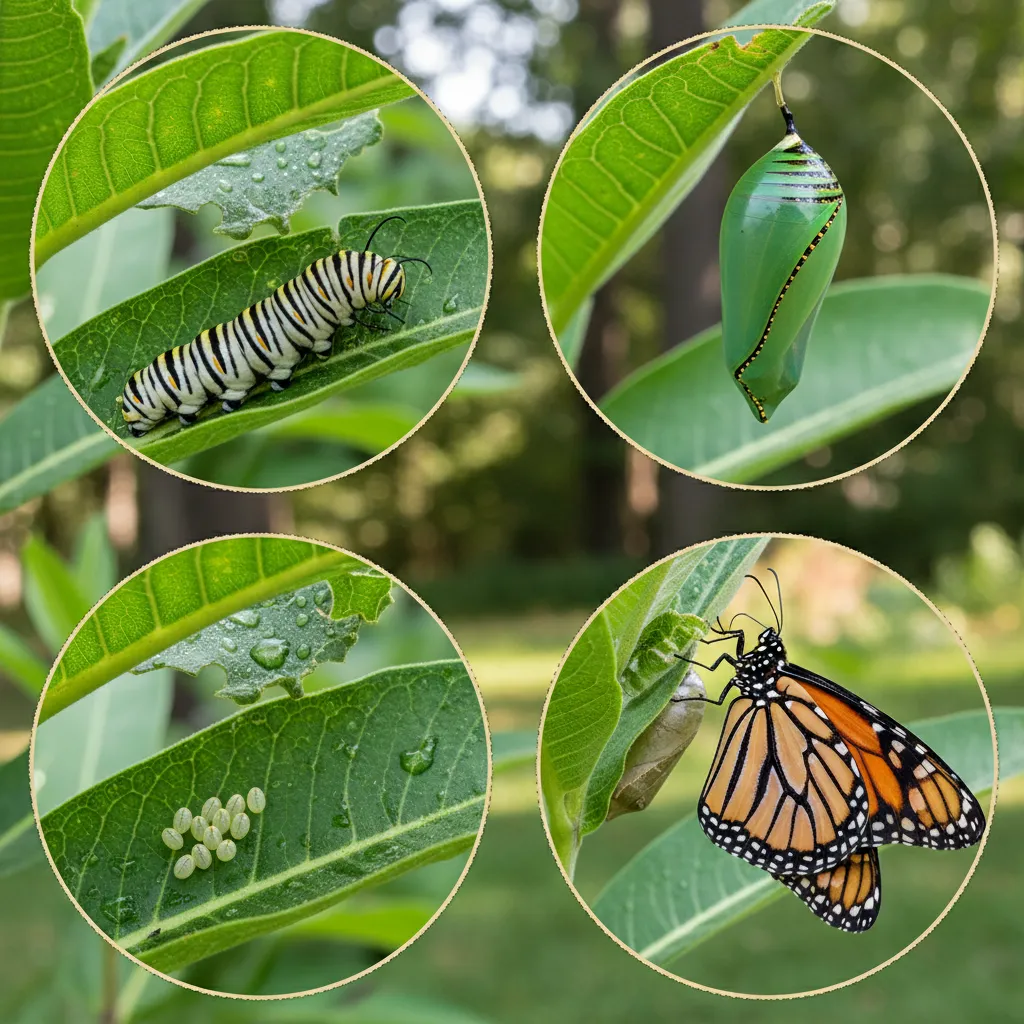
Understanding how butterflies are born and develop through each stage puts the adult lifespan in perspective. Here is a general breakdown of how long each stage typically lasts:
- Egg stage: 3 to 7 days in warm weather, up to a few weeks in cool conditions
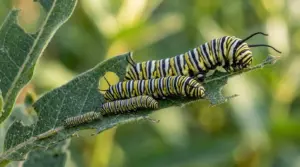
- Caterpillar (larval) stage: 2 to 4 weeks on average, longer in species with multiple instars or slower metabolisms
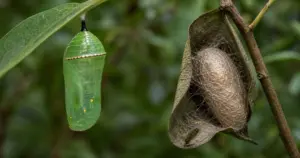
- Chrysalis (pupal) stage: 1 to 2 weeks for many species, though some overwinter in this stage for months
- Adult stage: 2 to 4 weeks typically, up to several months for overwintering species
Add those together and a typical butterfly species completes its full life cycle in roughly two to four months. Species with multiple generations per year, like the cabbage white, can cycle through an entire generation in as little as five to six weeks during summer. Species that overwinter, or that have a single annual generation, may take a full year or longer from egg to death.
At the end of that journey, butterflies die for a range of reasons, from predation and starvation to simple senescence once reproduction is complete.
Why Some Butterflies Live Longer Than Others
The lifespan gap between a cabbage white and a monarch is enormous, and it comes down to a combination of strategy and biology.
Monarch butterflies offer the clearest example of extreme longevity. The migratory generation that emerges in late summer enters a state of reproductive diapause. Their gonads do not fully develop until spring, which means they are not burning energy on reproduction during the migration south or the overwintering period in Mexico.
This physiological pause is what allows them to survive eight to nine months when their summer counterparts die in a matter of weeks. The mechanics of monarch migration are closely tied to this extended lifespan.
Mourning cloaks and other overwintering species use a similar strategy. By entering diapause as adults in late fall, they essentially stop aging during the coldest months. When temperatures rise, they resume activity, mate, and lay eggs before dying.
Their actual active flying time may be no longer than a typical summer butterfly; they just spread it across a much longer calendar period.
On the shorter end, species like the cabbage white and various skippers have evolved a high-frequency breeding strategy. Rather than living long as individuals, they produce multiple generations per year. A population can bounce back quickly from losses, and the species as a whole does not need any single adult to survive for long.
It is quantity over individual longevity.
Body size also plays a role. Larger butterflies, like swallowtails, generally live longer than very small species, partly because they carry more fat reserves and can sustain themselves longer between feeding opportunities. According to research published by the USDA Forest Service, the monarch’s overwintering biology is one of the most studied examples of extended insect lifespan in North America.
Similarly, the Butterflies and Moths of North America database documents observed flight periods for hundreds of species, which gives a practical sense of how long adults are active in different regions.
- Kaufman Field Guide to Butterflies of North America
The fastest way to ID a butterfly mid-flight in your backyard. - Audubon Society Field Guide to North American Butterflies
Photographic guide that pairs well with Kaufman for confirmation. - The Butterfly Photographer’s Handbook
If you want to actually capture the species you see. - Pocket nature journal (waterproof)
Tally what you see across a season. Lifespan patterns emerge fast.
Affiliate links. We earn a small commission on qualifying purchases at no extra cost to you.
Frequently Asked Questions
How long do butterflies live as adults?
Most adult butterflies live between two and four weeks. This varies by species: some only last a week or two, while overwintering species like the mourning cloak can survive up to eleven months as adults by entering a dormant state during winter.
What butterfly has the longest lifespan?
The mourning cloak holds the record for the longest adult lifespan of any butterfly in North America, surviving up to eleven months. Monarch butterflies in the migratory generation are a close second, living eight to nine months. Both species owe their longevity to overwintering as adults rather than in an earlier life stage.
Do butterflies live longer in captivity?
Sometimes, yes. Captive butterflies are protected from predators and weather extremes, and they have reliable access to food. Under ideal captive conditions, some species that normally live two to three weeks in the wild have survived up to five or six weeks.
That said, captive environments do not always replicate the triggers that induce diapause in overwintering species, which can actually shorten their lives compared to wild counterparts.
How long do monarchs live?
It depends on which generation you are asking about. The migratory generation, born in late summer, lives eight to nine months, migrating to Mexico, overwintering, and returning north in spring to breed. Summer generations live only two to five weeks before dying and being replaced by the next brood.
A single monarch population cycles through several short-lived summer generations before producing the long-lived migratory one each year.
How long is the full butterfly life cycle from egg to death?
For most species, the complete cycle from egg to adult death takes between two and four months. Fast-cycling summer species can complete a generation in five to six weeks. Species with overwintering stages, whether as eggs, pupae, or adults, may take a full year to complete a single generation.
What kills butterflies most often?
Predation is the most common cause of death for adult butterflies. Birds are the primary predators, but spiders, mantises, wasps, and even some ants take butterflies regularly. Starvation from lack of nectar sources is also a significant factor, along with parasitism by flies and wasps that target larvae and adults alike.
Weather events, including sudden cold snaps or severe storms, can wipe out large numbers of adults or eggs. Old age does eventually claim butterflies that survive everything else, as their wings wear down and their ability to feed and fly diminishes.