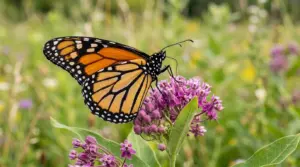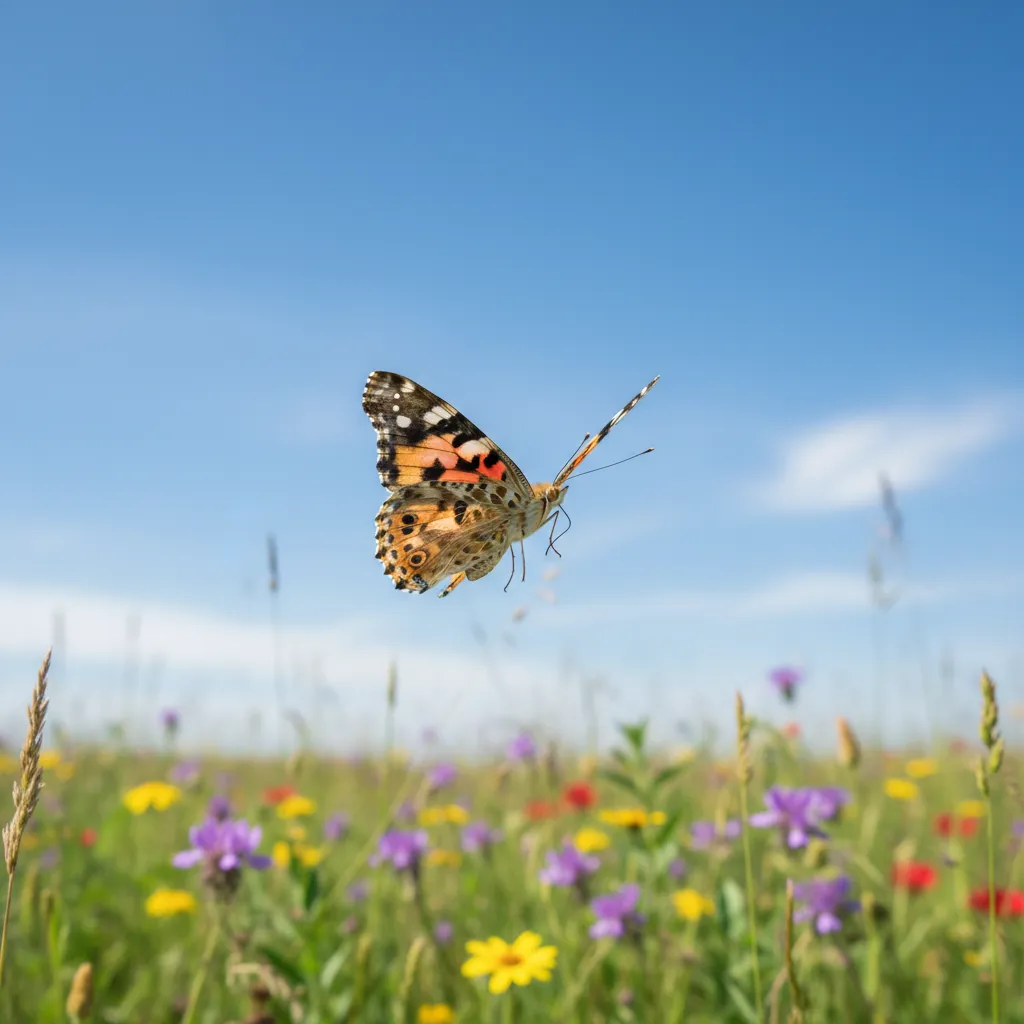



Butterfly collecting has been a hobby for centuries, drawing in naturalists, scientists, and curious beginners alike. If you have ever watched a swallowtail land on a flower and thought about how much you would love to study it up close, you are not alone. Getting started takes a bit of gear, some patience, and a genuine respect for the insects you are pursuing.
This guide walks you through everything a beginner needs to know, from the basic equipment to the legal and ethical side of the hobby. Whether you want to build a physical collection or take the digital route, there is a path that works for you.
Key Takeaways
- You need a butterfly net, spreading board, mounting pins, and a kill jar to get started with physical collecting.
- Many regions require permits before you can collect butterflies, especially in protected areas or national parks.
- Ethical collecting means taking only what you need and never targeting threatened or endangered species.
- Digital collecting through photography and apps like iNaturalist is a legal, zero-impact alternative that is growing in popularity.
Equipment You Need
The most important piece of gear is a butterfly net. A standard entomological net has a long handle, usually 30 to 36 inches, with a fine mesh bag that tapers at the bottom. The mesh needs to be light enough that you can see through it and gentle enough that it will not damage the butterfly’s wings on contact.
A spreading board is what you use to set the wings into the correct position for display after the butterfly has been killed and while the body is still pliable. Spreading boards come in different groove widths to accommodate small skippers up to large swallowtails. You will also need stainless steel mounting pins in sizes 1 through 3, depending on the body size of the specimen.
A kill jar is a sealed glass container that contains a killing agent, typically ethyl acetate absorbed into plaster. It kills quickly and humanely without damaging the wings. Never use rubbing alcohol or household chemicals as substitutes since they can discolor and damage the specimen.
You will also want glassine envelopes for transporting fresh specimens in the field, a set of forceps for handling delicate wings, and a magnifying loupe for close identification work. Riker mounts or glass-topped display boxes are used for the final presentation once your specimens are fully dried and set.
How to Catch Butterflies
Timing matters more than most beginners expect. Butterflies are most active on warm, sunny days between about 10 AM and 3 PM when temperatures are above 60 degrees Fahrenheit. On cloudy or cool days many species simply stay still and are harder to find in the first place.
Meadows, forest edges, stream banks, and gardens with nectar plants are your best hunting grounds. Butterflies tend to follow predictable routes called hilltopping on ridgelines, and many species puddle on wet sand or gravel roads where they absorb minerals. Knowing the behavior of the species you want makes finding them much easier.
The swing technique is the standard catch method. Approach slowly from downwind, swing the net in a wide arc over the butterfly, then twist the handle sharply so the bag folds over on itself and traps the insect inside. Once the butterfly is in the bag, reach in carefully and pinch the wings closed above the body to minimize wing damage before transferring it to the kill jar.
Understanding butterfly anatomy helps when handling specimens because knowing where the thorax is versus the abdomen means you are less likely to accidentally crush the body during the catch. Getting familiar with common butterfly species in your area also helps you know which ones are worth targeting and which you should leave alone.
Mounting and Preserving
Spreading a butterfly should happen within a few hours of catching it while the body is still soft enough to work with. If you are not ready to spread immediately, store the specimen in a glassine envelope in a cool, dry place and use a relaxing chamber (a sealed box with a damp sponge and a drop of vinegar to prevent mold) to soften it later.
Pin the butterfly through the center of the thorax at a 90-degree angle. Place it on the spreading board and use strips of tracing paper to hold the wings flat while you position them with a second pin or a fine needle. The hindwing’s upper edge should form a straight line perpendicular to the body. This is the standard display position used in most scientific collections.
Drying time depends on the size of the specimen. Small blues and hairstreaks may be dry in three or four days, while large swallowtails can take up to two weeks. Once fully dry, transfer the specimen to your display box with a label that records the species name, date, location, elevation, and collector name. A specimen without this data has significantly less scientific value.
Ethics and Legal Considerations
Collecting without permission is illegal in many places. In the United States, collecting in national parks, national monuments, and many state parks is prohibited or requires a scientific collecting permit. Collecting on private land requires landowner permission. Outside the US, regulations vary widely, and some countries have strict laws protecting all native wildlife.
Before you go out, check with your state’s department of fish and wildlife and the land management agency for the area you plan to visit. The US Fish and Wildlife Service maintains a list of species protected under the Endangered Species Act, and taking any of those species, even accidentally, can result in significant fines.
Ethical collectors follow a few basic principles beyond just following the law. They take only a few specimens of common species, avoid collecting females that are actively laying eggs, and never collect more than they can properly prepare and store. A pinned specimen left to deteriorate in a box is a waste of a life and does nothing for science or the hobby.
The butterfly collecting community has also been working for decades to distance itself from the idea of trophy collecting. Many serious collectors contribute their specimens to museum collections where they have lasting scientific value, participate in citizen science surveys, and actively support habitat conservation efforts.
Digital Collecting as an Alternative
If the legal complexity or the idea of killing insects puts you off physical collecting, digital collecting offers almost everything the traditional hobby does except for the physical specimen. A good camera with a macro lens, or even a modern smartphone, is all you need to start building a documented collection of butterfly observations.
Apps like iNaturalist allow you to upload your photos, have them identified by a community of experts and an AI, and contribute your sightings to a global biodiversity database. Your observations become part of real scientific data that researchers use to track population trends and range changes. Some citizen science projects specifically recruit photographers for annual butterfly counts.
The photography side of the hobby has its own learning curve around stalking behavior, understanding light conditions, and knowing which field marks to capture. Many photographers find it just as challenging and rewarding as net collecting, and the photos can be printed and displayed or organized into digital portfolios just as impressive as a traditional collection.
Frequently Asked Questions
Do I need a permit to collect butterflies?
It depends on where you are collecting. On private land with the owner’s permission, most common species can be collected legally in the US without a special permit. On public lands like national parks, you typically need a scientific collecting permit. Always check local regulations before heading out.
What is the most beginner-friendly butterfly to collect?
Cabbage whites, painted ladies, and various sulphurs are all common, widespread, and not protected anywhere in the US. They are also easy to find in gardens and meadows, which makes them ideal for practicing net technique and spreading without worrying about damaging a rare specimen.
How long does a properly preserved butterfly last?
Museum specimens pinned and stored in pest-proof, climate-controlled cases have lasted over 200 years in good condition. For home collectors, keeping specimens away from light, humidity, and insects like dermestid beetles is the key to longevity. A cedar chip in the display box helps deter pests.
Can I collect butterfly wings I find on the ground?
Yes, in most jurisdictions collecting wings or other parts from already-dead butterflies is legal and does not require a permit. This is actually a good way to build a reference collection of wing patterns without any ethical concerns about killing living insects.
Is butterfly collecting harmful to wild populations?
When done responsibly and limited to common species, collecting has a negligible impact on wild populations. The far bigger threats to butterfly populations are habitat loss, pesticide use, and climate change. Irresponsible mass collecting of rare species is the exception that gives the hobby a bad reputation, and that practice is now widely condemned within the entomological community.