




What do butterflies drink? Mostly nectar – but that’s only part of the story. I’ve spent years watching butterflies in my garden, and their drinking habits are far more varied and surprising than most people realize. Butterflies use a straw-like mouthpart called a proboscis to sip liquids, and while flower nectar is their primary fuel source, they’ll also drink from mud puddles, rotting fruit, tree sap, and even animal dung. Each of these liquid sources provides different nutrients that keep them flying, mating, and surviving.
Key Takeaways
- Butterflies drink primarily flower nectar for sugar energy, but they also seek out minerals from mud, sap, and decomposing organic matter.
- The proboscis works like a built-in drinking straw that coils up when not in use and can probe deep into tubular flowers other pollinators can’t reach.
- Male butterflies practice “puddling” – gathering at wet soil and mud to drink dissolved sodium and amino acids they need for reproduction.
- You can support butterfly hydration in your yard with shallow water dishes, overripe fruit stations, and nectar-rich native plantings.
Nectar Is the Main Course
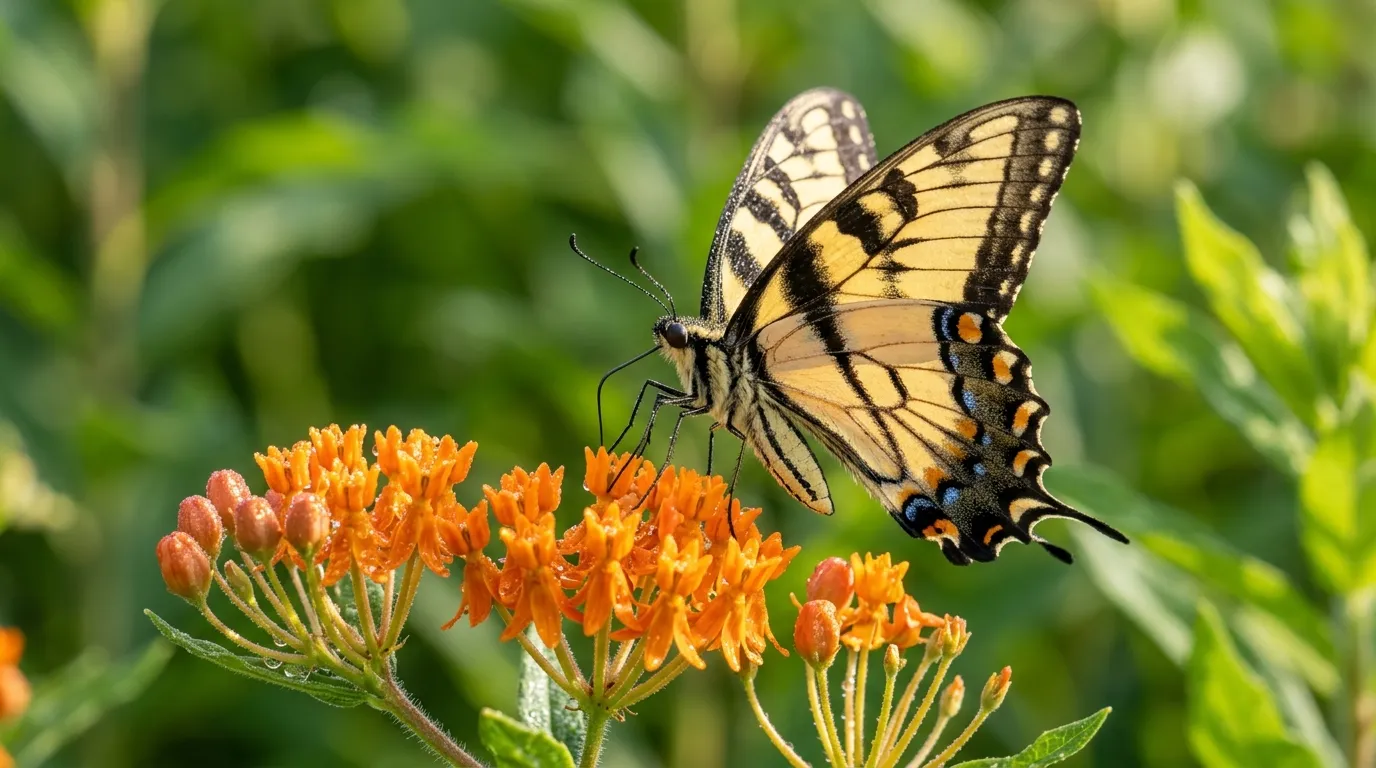
Flower nectar makes up the bulk of what butterflies eat and drink throughout their adult lives. Nectar is essentially sugar water produced by plants to attract pollinators, and it typically contains 20-40% sucrose along with smaller amounts of glucose and fructose.
That sugar content matters. Research from the University of Arizona has found that butterflies show strong preferences for nectar concentrations between 20-25%, which gives them the best balance of energy intake versus the effort needed to suck up thicker liquids. Too dilute, and it’s not worth the stop. Too concentrated, and it moves through the proboscis too slowly.
Nectar isn’t just empty calories, either. It contains trace amino acids, lipids, vitamins, and antioxidants that vary by plant species. A monarch nectaring on Asclepias tuberosa is getting a slightly different nutritional profile than one feeding on zinnias or lantana. This is one reason you’ll see experienced butterfly gardeners planting a wide variety of nectar sources rather than relying on a single species.
I’ve noticed that butterflies in my garden tend to favor fresh blooms over older ones. This tracks with what entomologists have documented – nectar production peaks when flowers first open and declines as they age. Keeping deadheaded flower beds encourages continuous fresh bloom production, which means a more reliable nectar bar for your butterfly visitors.
Mud Puddling and Mineral Supplements
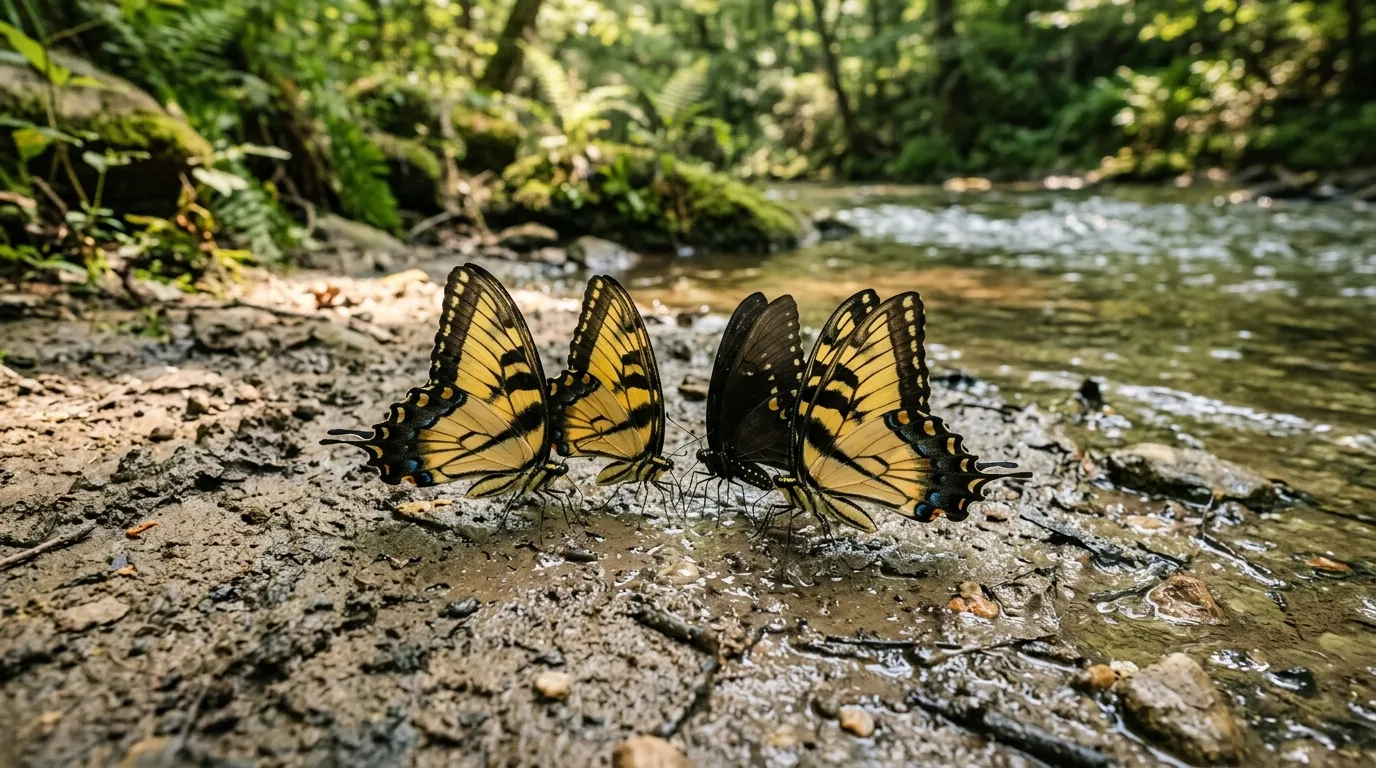
One of the most interesting drinking behaviors you’ll see is called puddling. Butterflies – mostly males – gather at muddy patches, wet sand, or the edges of puddles and probe the ground with their proboscis. They’re not drinking for hydration. They’re mining for sodium, potassium, and amino acids dissolved in the moisture.
According to research published in the journal Annals of the Entomological Society of America, male butterflies transfer these minerals to females during mating as part of a nutrient package called a spermatophore. The sodium and amino acids improve egg viability and larval survival rates. So when you see a cluster of swallowtails at a mud puddle, you’re watching them stock up on reproductive supplies.
Puddling congregations can be impressive. I’ve counted over a dozen tiger swallowtails at a single damp spot along a creek bank. Species that puddle heavily include swallowtails, whites, sulphurs, and blues. Brushfoots like monarchs do puddle occasionally, but less frequently than the swallowtail family.
You can create a puddling station in your garden by filling a shallow dish or tray with sand, mixing in a pinch of sea salt, and keeping it consistently moist. Place it in a sunny spot near your nectar plants. It won’t take long before butterflies find it.
Beyond Nectar – Fruit, Sap, and Stranger Sources
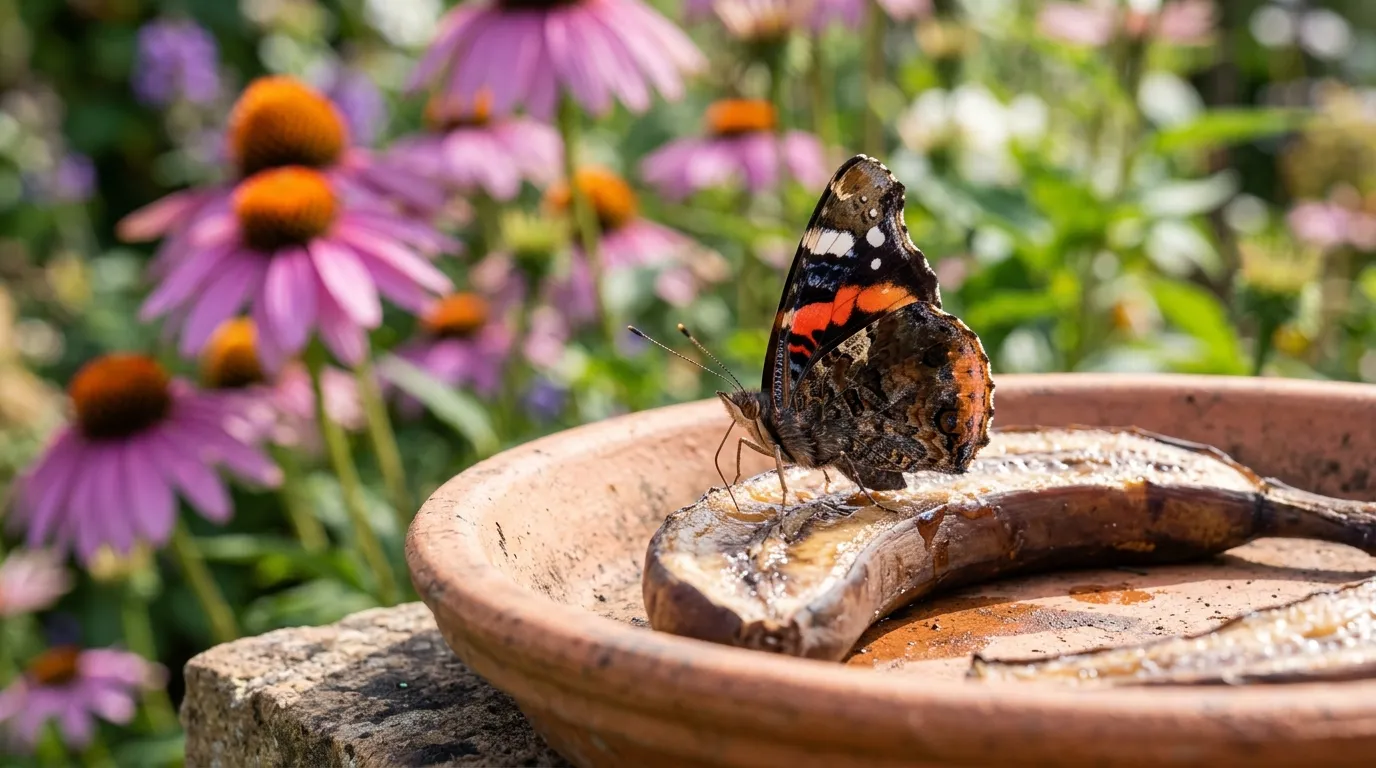
Not all butterflies are strict nectar drinkers. Quite a few species prefer – or at least regularly supplement with – rotting fruit. Red admirals, question marks, commas, mourning cloaks, and hackberry emperors are all fruit feeders. They’ll land on fallen apples, overripe bananas, or fermenting berries and drink the sugary, slightly alcoholic juice.
Tree sap is another food source, particularly for species that emerge early in spring before many flowers are blooming. Mourning cloaks overwinter as adults and are often among the first butterflies you see in late winter or early spring. With few nectar flowers available, they rely on sap flows from wounded trees, especially oaks and maples.
Then there are the less appetizing options. Some butterflies drink from animal dung, carrion, and urine. This sounds unpleasant, but it’s a perfectly logical strategy for acquiring nitrogen-rich amino acids and concentrated minerals. Tropical species are especially well known for this behavior, but plenty of North American butterflies do it too. If you’ve ever had a red-spotted purple land on your sweaty arm on a hot day, it was drinking your perspiration for the salt.
The amount butterflies consume daily is modest relative to their body size but constant. For more on their daily intake, check out how much butterflies eat per day.
How the Proboscis Actually Works
The butterfly proboscis is an engineering marvel worth understanding if you want to appreciate how butterflies drink. It’s formed from two separate tubes called galeae that zip together after the adult emerges from its chrysalis. When locked together, they create a single hollow tube with a food canal running through the center.
Butterflies don’t suck liquid through the proboscis the way you’d use a drinking straw. Research from Clemson University has shown that they use a combination of capillary action and muscular pumping from a structure in the head called the cibarial pump. The proboscis tip is covered in tiny chemoreceptors that let the butterfly taste what it’s about to drink before committing to a full feeding session.
Proboscis length varies dramatically between species and directly influences which flowers they can feed from. Long-tongued species like zebra longwings can reach nectar in deep tubular flowers that shorter-tongued species can’t access. This is a classic example of coevolution between butterflies and their preferred nectar plants.
When not in use, the proboscis coils up tightly like a watch spring beneath the head. If you watch a butterfly land on a flower, you can see it uncoil in real time – it’s one of those small details that never gets old to observe.
What Butterflies Drink Affects How Long They Live
Nutrition directly impacts butterfly lifespan. Adults with access to high-quality, diverse nectar sources tend to live longer and reproduce more successfully than those limited to poor food resources. A well-fed painted lady might live several weeks, while a nutritionally stressed one may survive only days.
The USDA Forest Service has documented how migrating monarchs need massive nectar reserves to fuel their journey to overwintering sites. These butterflies can travel up to 3,000 miles, and every drop of nectar they drink along the way gets converted to fat reserves stored in the abdomen. Monarchs that can’t find adequate nectar during fall migration have significantly lower survival rates at their overwintering colonies.
For a deeper look at how nutrition connects to longevity across species, see our guide on how long butterflies live.
Seasonal timing matters too. Spring and fall are periods when nectar availability can be spotty depending on your region. Planting early-blooming species like redbud and wild plum alongside late-season asters and goldenrod creates a continuous nectar supply that supports butterflies through the full growing season.
Setting Up a Butterfly Drinking Station at Home
Creating reliable drinking opportunities in your yard is straightforward. A fruit feeding station is as simple as placing overripe banana slices or watermelon chunks on a flat plate in a sunny, sheltered spot. Replace the fruit every two days before it molds.
For a nectar substitute, mix one part white granulated sugar with nine parts water – no food coloring, no honey, no artificial sweeteners. Soak a sponge in this solution and place it on a bright-colored plate. This works well as a supplemental feeding station during periods when flowers are scarce.
The single best investment, though, is planting a diverse mix of nectar-producing flowers with staggered bloom times. Native wildflowers outperform cultivated varieties in most cases because butterflies have evolved alongside them. Purple coneflower, bee balm, Joe Pye weed, black-eyed Susan, and various milkweed species form a strong foundation.
Keep your garden pesticide-free. Systemic insecticides like neonicotinoids end up in nectar and pollen, turning your flower bed into a trap rather than a food source. A study from the Xerces Society for Invertebrate Conservation found neonicotinoid residues in plants purchased from retail nurseries at concentrations high enough to harm pollinators. If you buy nursery plants, ask whether they’ve been treated.
Understanding how often butterflies feed can help you plan how many nectar plants you need. A good rule of thumb is to have at least two to four plant species blooming at any given time during the growing season.
Frequently Asked Questions
Do butterflies drink water?
Butterflies do drink water, but rarely from open water sources like birdbaths or ponds. They get most of their hydration from nectar, which is roughly 60-80% water. When they do seek water directly, they prefer damp soil, wet sand, or shallow puddles where they can stand safely while feeding. Providing a shallow dish filled with wet sand or pebbles is a better option than a deep water dish.
Can butterflies drink sugar water?
Yes, butterflies will readily drink sugar water. A 10:1 ratio of water to plain white sugar mimics natural nectar concentration. Avoid using honey, which can harbor bacteria and mold spores harmful to butterflies. Never use artificial sweeteners or add red dye. Place the sugar water on a soaked sponge or cotton ball on a brightly colored plate to attract attention.
Why do butterflies land on people?
When a butterfly lands on you, it’s often attracted to the salt in your sweat. Butterflies have chemoreceptors on their feet that detect sodium and amino acids on contact. On a warm day after you’ve been active outdoors, you become a mobile mineral lick. Some species, particularly swallowtails and admirals, are more prone to this behavior than others.
What flowers produce the most nectar for butterflies?
High-nectar producers that butterflies consistently favor include milkweed (Asclepias species), lantana, zinnias, purple coneflower, butterfly bush (Buddleja), bee balm, and Joe Pye weed. Single-petal flower varieties produce more accessible nectar than double-petal cultivars. Native species generally offer better nectar rewards than exotic ornamentals for North American butterfly populations.
Do butterflies drink blood?
Butterflies don’t seek out blood specifically, but some species will drink from fresh blood or open wounds on animals if they encounter the opportunity. This behavior is driven by the same mineral-seeking instinct behind mud puddling. It’s uncommon but documented, particularly in tropical regions. In North America, you’re far more likely to see butterflies feeding on rotting fruit or animal dung than on blood.
How long can a butterfly go without drinking?
Most active adult butterflies need to feed at least once a day, and many feed multiple times throughout the day between flights. Without any food source, most species will weaken within 24-48 hours and die within a few days. Some overwintering species like mourning cloaks can survive weeks in a dormant state without feeding, but this is a specialized survival strategy rather than the norm.


