

If you want butterflies in your yard, the single most effective thing you can do is plant the right plants. Not just pretty flowers that look nice to you, but the specific plants that butterflies actually need to survive. That means nectar sources for the adults and host plants where females can lay eggs and caterpillars can feed.
Get both of those right, and you will have butterflies from spring through fall.
The term “butterfly plant” gets used loosely to mean any flower that butterflies visit. But there is a real difference between a plant that draws in a passing butterfly for a quick sip and a plant that supports an entire butterfly life cycle. This guide covers both categories so you can build a garden that does more than just attract butterflies briefly.
Key Takeaways
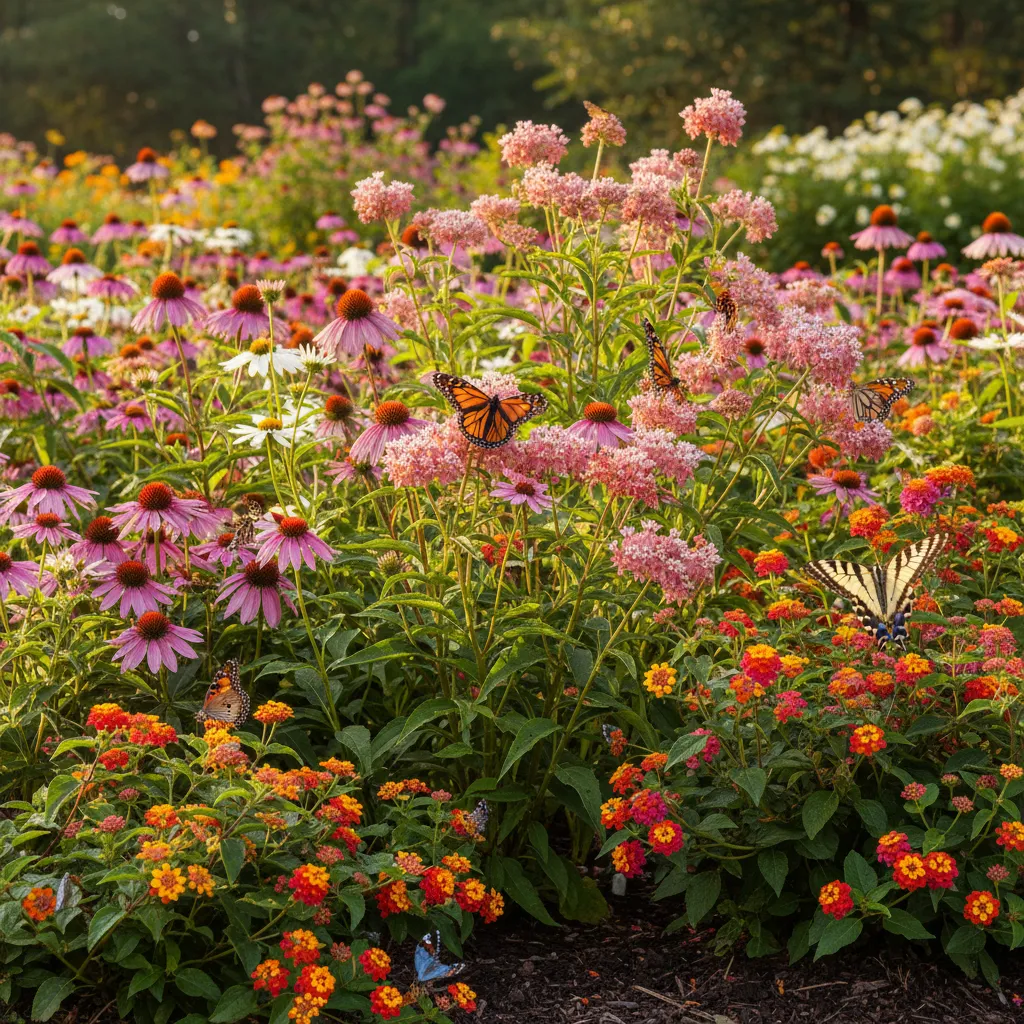
- You need both nectar plants (for adult butterflies) and host plants (for caterpillars) to truly support butterfly populations in your yard.
- Milkweed is the only host plant for monarch caterpillars, making it one of the most impactful plants you can grow.
- Native plants almost always outperform non-native ornamentals for attracting a wide variety of butterfly species.
- Plant placement matters as much as plant selection. Butterflies need sun, shelter from wind, and access to flat rocks or bare ground for warming up.
Nectar Plants vs Host Plants: Why You Need Both
Most people think about nectar plants first because those are the ones that bring butterflies into view. Adult butterflies need carbohydrate-rich nectar to fuel flight and reproduction, so a garden loaded with good nectar sources will see a lot of butterfly activity. But those butterflies are visitors.
They stop, feed, and move on.
Host plants change the equation entirely. A host plant is one that a female butterfly will choose to lay her eggs on, because the leaves are what her caterpillars will eat after hatching. Each butterfly species tends to use a narrow range of host plants, and some species are extremely specific.
Monarch caterpillars only eat milkweed. Black swallowtail caterpillars rely on plants in the carrot family. Without those host plants nearby, the butterflies may visit your garden but will not reproduce there.
A garden that includes both types of plants does not just attract butterflies. It sustains them. You can read more about the full picture on our page covering top butterfly food plants for garden planning.
Best Nectar Plants for Adult Butterflies
These plants reliably draw in feeding butterflies throughout the growing season. When choosing among them, pay attention to bloom time so you have something flowering from early spring through late fall.
Milkweed (Asclepias spp.)
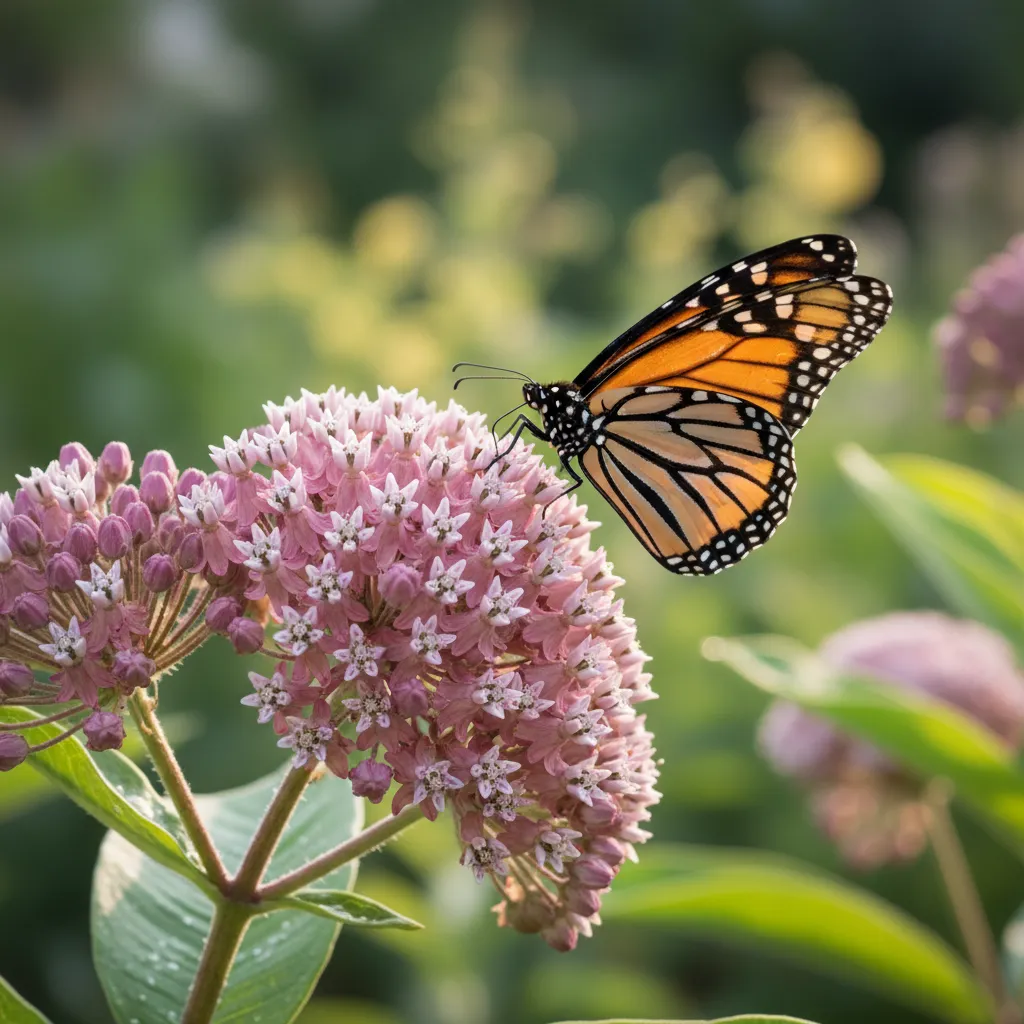
Milkweed earns a spot in both the nectar list and the host plant list. The flowers are rich in nectar and attract dozens of butterfly species, not just monarchs. Common milkweed, butterfly weed (Asclepias tuberosa), and swamp milkweed are all excellent choices depending on your soil and sun conditions.
Our milkweed guide goes deep on the different species and how to grow them.
Coneflower (Echinacea purpurea)
Purple coneflower is a native prairie plant that blooms mid-summer through fall and draws in swallowtails, fritillaries, skippers, and more. It is drought-tolerant once established, comes back reliably each year, and also feeds goldfinches when the seed heads are left standing. Few plants offer as much wildlife value with as little maintenance.
Lantana (Lantana camara)
Lantana is one of the top butterfly-attracting plants available, period. The small tubular flowers are perfectly sized for butterfly tongues, and the plants bloom continuously from spring through frost. Swallowtails, monarchs, painted ladies, and sulfurs all favor it heavily.
In warm climates it is perennial; in colder zones it is treated as an annual. Note that lantana is invasive in parts of Florida and the Gulf Coast, so check local guidelines before planting.
Butterfly Bush (Buddleja davidii)
The name says it all. Butterfly bush produces dense flower spikes packed with nectar and is a magnet for adult butterflies, particularly swallowtails and painted ladies. The sterile cultivars (like ‘Miss Molly’ or the Lo and Behold series) are a better choice than the straight species because they do not set viable seed, which addresses the invasive spread concerns in many regions.
We have a full butterfly bush guide covering varieties and responsible growing practices.
Joe-Pye Weed (Eutrochium purpureum)
This tall native perennial blooms in late summer when many other nectar sources are winding down, making it particularly valuable. The dusty rose flower clusters attract tiger swallowtails, monarchs, and a wide range of native bees. It grows well in moist, partly shaded spots where other nectar plants struggle.
Zinnias (Zinnia elegans)
If you want results fast, zinnias are hard to beat. Direct sow the seeds after your last frost date and you will have blooms within two months. Single-flowered varieties are better than heavily double-flowered ones because butterflies can access the nectar more easily.
Zinnias attract a wide variety of species and keep blooming right up until hard frost if you deadhead them regularly.
Ironweed (Vernonia fasciculata)
Ironweed is underused in home gardens, which is a shame because it is one of the best late-season butterfly plants in North America. The deep purple flowers bloom in August and September and are visited by monarchs on their southward migration, as well as tiger swallowtails, great spangled fritillaries, and many others. It can get tall (up to 6 feet), but the payoff is worth the space.
Verbena (Verbena bonariensis)
Tall verbena has a light, airy habit with small purple flower clusters that butterflies seem to find irresistible. It self-seeds freely without becoming invasive in most regions and blooms from early summer through fall. Swallowtails, painted ladies, and sulfurs are frequent visitors.
Best Host Plants for Caterpillars
This is where butterfly gardening gets specific. Each species has its requirements, and while you cannot grow every possible host plant, choosing a few targeted ones will support the butterflies most common in your region. A more comprehensive list is available in our guide to caterpillar host plants.
Milkweed (Asclepias spp.) for Monarchs
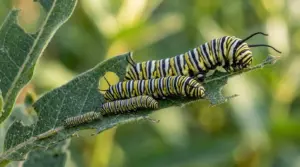
Monarch butterflies can only lay eggs on milkweed, and their caterpillars can only survive by eating it. The monarch population decline is directly tied to milkweed loss across its range. Growing any milkweed species in your yard is a direct contribution to monarch conservation.
Native milkweed species are preferred over tropical milkweed (Asclepias curassavica) in most of North America because they die back in winter, which is part of the natural migration cue for monarchs.
Parsley and Dill for Black Swallowtails
Black swallowtail caterpillars feed on plants in the carrot family, which includes parsley, dill, fennel, and Queen Anne’s lace. These are easy to grow from seed, and most gardeners already have parsley or dill in a kitchen herb garden. If you see caterpillars on your herbs, consider leaving some for the butterflies rather than picking the plants clean.
You can grow extra specifically for the caterpillars alongside your kitchen supply.
Violets (Viola spp.) for Fritillaries
Multiple fritillary species, including the great spangled fritillary, meadow fritillary, and variegated fritillary, rely on native violets as host plants. Violets spread readily in lawns and garden edges and are often considered weeds, but leaving patches of them is one of the simplest things you can do to support fritillary populations.
Native Willows and Cherries for Swallowtails
Tiger swallowtail caterpillars use a wide range of trees including wild cherry, black cherry, tulip poplar, and various willow species. If you have any of these trees in your yard or neighborhood, tiger swallowtails may already be using them without you noticing. The caterpillars are well camouflaged and spend most of their time high in the canopy.
Spicebush (Lindera benzoin) for Spicebush Swallowtails
Spicebush swallowtails are striking butterflies, and their caterpillars depend almost entirely on spicebush and sassafras. Spicebush is a native shrub that also produces small yellow flowers in early spring and red berries in fall, making it a great multi-season addition to a naturalistic garden. It tolerates partial shade well.
Passionvine (Passiflora incarnata) for Gulf Fritillaries and Zebra Longwings
In the Southeast and Gulf Coast states, passionvine is the host plant for gulf fritillaries and zebra longwings. The native passionvine (maypop) is vigorous and can spread, but it is manageable in a dedicated bed. The flowers are genuinely beautiful, and watching gulf fritillary caterpillars on them is one of the more entertaining sights in a butterfly garden.
How to Arrange a Butterfly Garden
Plant selection matters, but layout and placement affect whether butterflies actually use what you grow.
Sun exposure is the starting point. Butterflies are cold-blooded and need warmth to fly. A garden bed that gets at least six hours of direct sun will be far more productive than a shaded one, regardless of what you plant in it.
South-facing slopes and spots sheltered from strong prevailing winds are especially good.
Group plants in clusters rather than spreading single specimens around the garden. A cluster of five or six coneflowers is far more visible to a passing butterfly than one plant scattered among unrelated perennials. Mass planting also creates a more stable microclimate and makes the nectar source easier to find.
Stagger bloom times deliberately. Look at what each plant’s flowering window is and make sure you have something going from early spring (violets, early milkweed) through mid-summer (coneflower, zinnias) through fall (Joe-Pye weed, ironweed, late-blooming asters). Gaps in nectar availability will reduce butterfly activity even in a well-planted garden.
Add a few flat stones in a sunny spot. Butterflies bask on warm surfaces to raise their body temperature, and a sun-warmed rock gives them a place to do that safely. Leave a small area of bare, moist soil if possible, since many male butterflies puddle for minerals.
Skip the pesticides entirely in the butterfly garden area. Even insecticides labeled as safe for bees can harm butterfly caterpillars and, in some cases, adults. This includes Bt (Bacillus thuringiensis), which is often marketed as organic but kills butterfly and moth caterpillars along with pest species.
For more layout and design strategies, see our butterfly garden tips page.
Plants to Avoid
Not everything that is sold as a “butterfly plant” actually helps them, and some plants can cause real harm.
Tropical milkweed (Asclepias curassavica) is widely sold and heavily marketed to butterfly gardeners, but research from the University of Georgia and other institutions has raised concerns. In warm climates where it does not die back naturally, it may disrupt monarch migration patterns and can harbor a parasite called OE (Ophryocystis elektroscirrha) at higher levels than native milkweed species. If you grow it, cut it back hard in fall to mimic the natural dieback that monarchs expect.
Heavily double-flowered cultivars are another common issue. Plants like double impatiens, heavily ruffled petunias, and double marigolds have been bred for visual impact in ways that make nectar inaccessible or nonexistent. They look nice in a garden center display but are largely useless to butterflies.
Non-native ornamentals with no host plant relationships also fall short when compared to natives. Butterfly bush, as discussed above, is a good nectar source but supports no caterpillar species. A garden built entirely on non-native nectar plants draws adult butterflies without giving them a place to reproduce.
Mixing in natives changes that equation considerably.
Finally, avoid growing invasive plants even if they attract butterflies. Purple loosestrife and the invasive form of butterfly bush, for example, can spread into natural areas and displace the native plants that many butterfly species depend on. The short-term butterfly traffic is not worth the longer-term ecological damage.
Frequently Asked Questions
What is the single best plant for attracting butterflies?
If you can only grow one plant, milkweed (Asclepias) is the strongest choice because it functions as both a nectar source and a host plant for monarchs. If you are in a region with heavy lantana traffic, lantana rivals it purely on nectar draw. But for overall ecological impact, milkweed wins.
Do butterflies prefer native plants or exotic flowers?
For nectar, many butterflies will visit both. For host plants, the vast majority of butterfly species require specific native plants that they co-evolved with over thousands of years. Exotic flowers rarely serve as host plants.
This is why a garden that mixes native plants with well-chosen non-native nectar sources generally outperforms a garden planted entirely with ornamental exotics. Research from the Xerces Society consistently shows native plants supporting more butterfly and pollinator species than non-natives.
Will butterfly bush hurt my garden ecosystem?
Standard butterfly bush (Buddleja davidii) can be invasive in parts of the Pacific Northwest, Mid-Atlantic, and other regions where it self-seeds into natural areas. The sterile cultivars sold under names like Lo and Behold or InSpired Pink do not produce viable seed and are considered safe in most areas. Check whether butterfly bush is on your state’s invasive species list before planting, and choose a sterile cultivar if there is any concern.
How many plants do I need to attract butterflies regularly?
More is better, but you do not need a large yard. Even a 10-by-10-foot bed with a well-chosen mix of nectar plants can attract regular butterfly traffic if it is in a sunny spot. What matters more than total area is plant diversity, continuous bloom time, and the presence of at least one or two host plants.
Container gardens on a sunny patio can work for nectar plants, though host plants usually do better in the ground.
What plants attract monarch butterflies specifically?
For nectar, monarchs visit a wide range of flowers including milkweed, coneflower, Joe-Pye weed, ironweed, goldenrod, and asters. For breeding, milkweed is the only option. Common milkweed (Asclepias syriaca), swamp milkweed (Asclepias incarnata), and butterfly weed (Asclepias tuberosa) are the most widely available native milkweed species in the eastern United States and all support monarch caterpillars.
The USDA Forest Service has regional planting guides for monarch habitat restoration.
Can I grow butterfly plants in containers?
Yes, with some limitations. Nectar plants like lantana, verbena, zinnias, and even dwarf butterfly bush cultivars do well in containers. Host plants are trickier because caterpillars eat a lot and can strip a container plant quickly.
If you want to grow host plants in containers, size up to the largest pot you can manage and expect to grow multiple plants to keep up with feeding caterpillars. Parsley and dill work reasonably well in large containers as host plants for black swallowtails.