


Lepidoptera Scientific Name Explained Simply
The Lepidoptera scientific name shows up constantly in field guides, museum labels, and research papers. But most butterfly and moth fans have never stopped to think about what the word actually means or where it came from. Lepidoptera combines two Greek roots: lepis, meaning scale, and pteron, meaning wing. Scale-winged insects. That single compound word captures the defining physical trait of every butterfly and moth on Earth.
Carl Linnaeus coined the order name in 1758, and it has stuck for over 260 years. Understanding how Linnaeus built this naming system helps you read species names in the field, navigate identification resources, and hold your own in any conversation about butterflies versus moths.
Key Takeaways
- Lepidoptera comes from Greek lepis (scale) + pteron (wing), describing the tiny overlapping scales that cover every butterfly and moth wing and give them their color and patterns.
- Carl Linnaeus formally established the order Lepidoptera in his 1758 edition of Systema Naturae, the same publication that introduced the binomial nomenclature system still used today.
- Every butterfly and moth species has a two-part Latin name (genus + specific epithet) that works as a universal identifier across all languages and regions.
- The full taxonomic hierarchy runs from order Lepidoptera down through superfamily, family, subfamily, genus, and species, and knowing even a few levels makes field identification faster and more intuitive.
What the Word Lepidoptera Actually Means
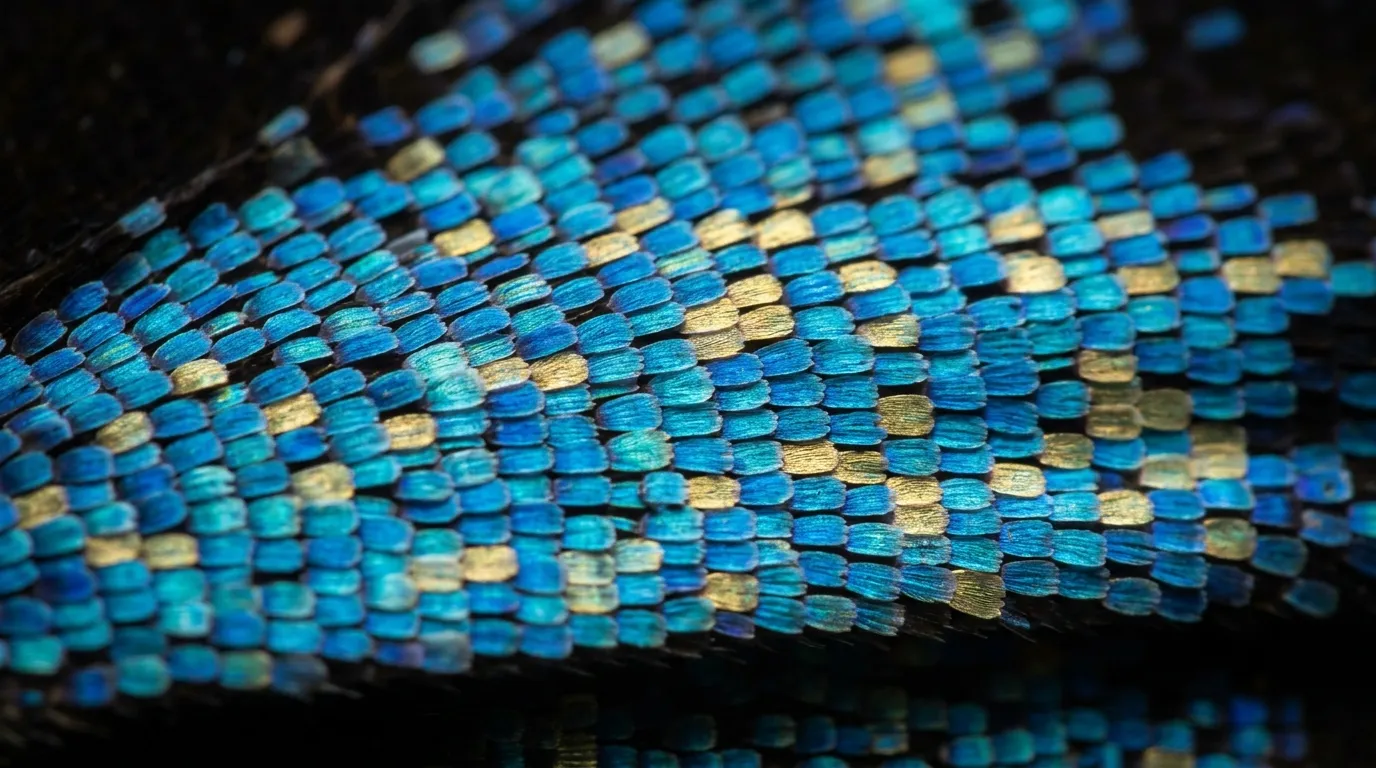
Break the word into its two Greek components and the meaning is straightforward. Lepis (sometimes written lepido- in compound form) translates to “scale.” Pteron means “wing.” The name describes the single trait that unites all 180,000+ species in this order: wings covered in thousands of tiny, flat, overlapping scales.
These scales aren’t just decorative. They create the colors and patterns used for camouflage, mate recognition, and predator warnings. They also help regulate body temperature and repel water. When you touch a butterfly wing and see powdery residue on your fingers, those are dislodged scales. Each one is a modified hair, flattened and sculpted into a shingle-like structure roughly 100 micrometers long.
If you’ve been wondering about the correct way to say the word out loud, check out this Lepidoptera pronunciation guide. The short version: leh-pih-DOP-ter-uh, with the stress on the third syllable.
Linnaeus and the Birth of the System
Carl Linnaeus, the Swedish naturalist, published the 10th edition of Systema Naturae in 1758. That single book did two things that still shape biology today. First, it organized all known animals into a hierarchical classification. Second, it applied binomial nomenclature, the two-name system, to every species.
Lepidoptera was one of the original orders Linnaeus defined. He grouped butterflies and moths together based on their shared wing scale anatomy, recognizing that despite looking quite different in many cases, they belong to one natural group. Before Linnaeus, naturalists described insects in long Latin phrases that varied from author to author. His system replaced that chaos with a standardized structure that any scientist in any country could use.
The Biodiversity Heritage Library hosts digitized copies of the original Systema Naturae, and reading through Linnaeus’s entries for Lepidoptera species shows just how little the naming format has changed in nearly three centuries. The genus-species pair he assigned to the common cabbage white, Pieris rapae, is still the accepted name today.
How Binomial Nomenclature Works for Butterflies
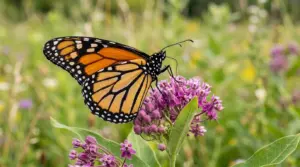
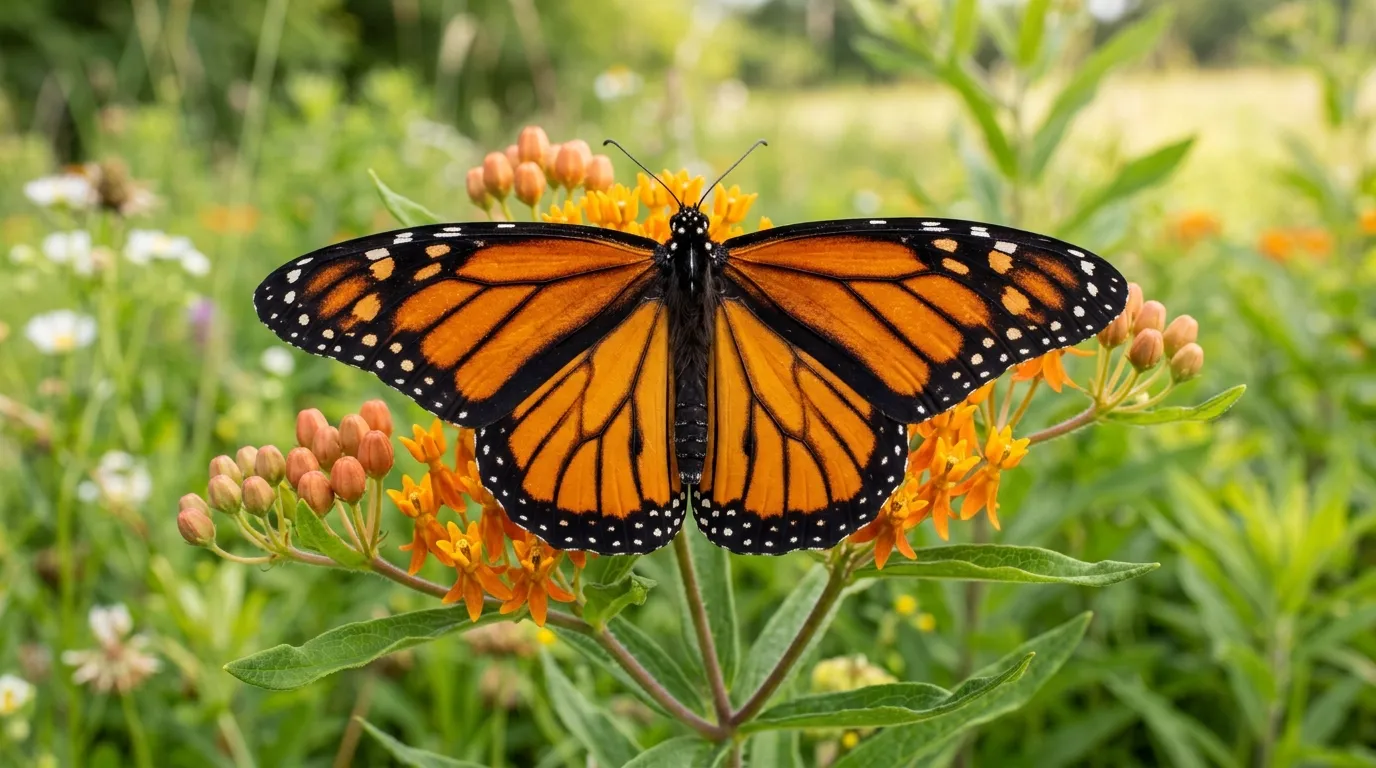
Every butterfly and moth species gets a name made of two parts. The first is the genus name, always capitalized and italicized. The second is the specific epithet, lowercase and italicized. Together they form a binomial, a unique identifier that prevents confusion across languages. A monarch butterfly is Danaus plexippus whether you’re in Mexico, Japan, or Norway.
The genus groups closely related species together. All swallowtails in the genus Papilio, for instance, share wing venation patterns, larval host plant chemistry, and genetic markers that separate them from swallowtails placed in Battus or Eurytides. If you want to see how this plays out in a real species, the swallowtail scientific name breakdown walks through the naming of Papilio machaon step by step.
After the binomial, you’ll often see an authority citation: the name of the person who first described the species and the year. Danaus plexippus (Linnaeus, 1758) tells you Linnaeus described the monarch in 1758. The parentheses around Linnaeus’s name mean the species was originally placed in a different genus and later moved. Without parentheses, the species is still in the genus where it was first described.
Species names often carry meaning. Plexippus was a figure from Greek mythology. Rapae refers to the turnip genus Brassica rapa, a host plant. Antiopa (the mourning cloak, Nymphalis antiopa) is another mythological reference. These names aren’t random strings of Latin. They carry information, once you know the code.
The Taxonomic Hierarchy From Order to Species
Lepidoptera sits within a layered classification that goes from broad groups to specific ones. Here’s how the levels stack up, using the eastern tiger swallowtail as a working example.
Order Lepidoptera includes all butterflies and moths, roughly 180,000 described species worldwide. This is the broadest level of the group.
Superfamily Papilionoidea contains all true butterflies. This level separates butterflies from the dozens of moth superfamilies. The Papilionoidea superfamily guide covers the families within this group.
Family Papilionidae narrows things down to the swallowtails, parnassians, and birdwings. About 570 species worldwide.
Subfamily Papilioninae separates the true swallowtails from the parnassians (subfamily Parnassiinae).
Genus Papilio contains roughly 200 species of swallowtail butterflies sharing a set of morphological and genetic characters.
Species Papilio glaucus is the eastern tiger swallowtail specifically. No other organism on Earth shares this exact binomial.
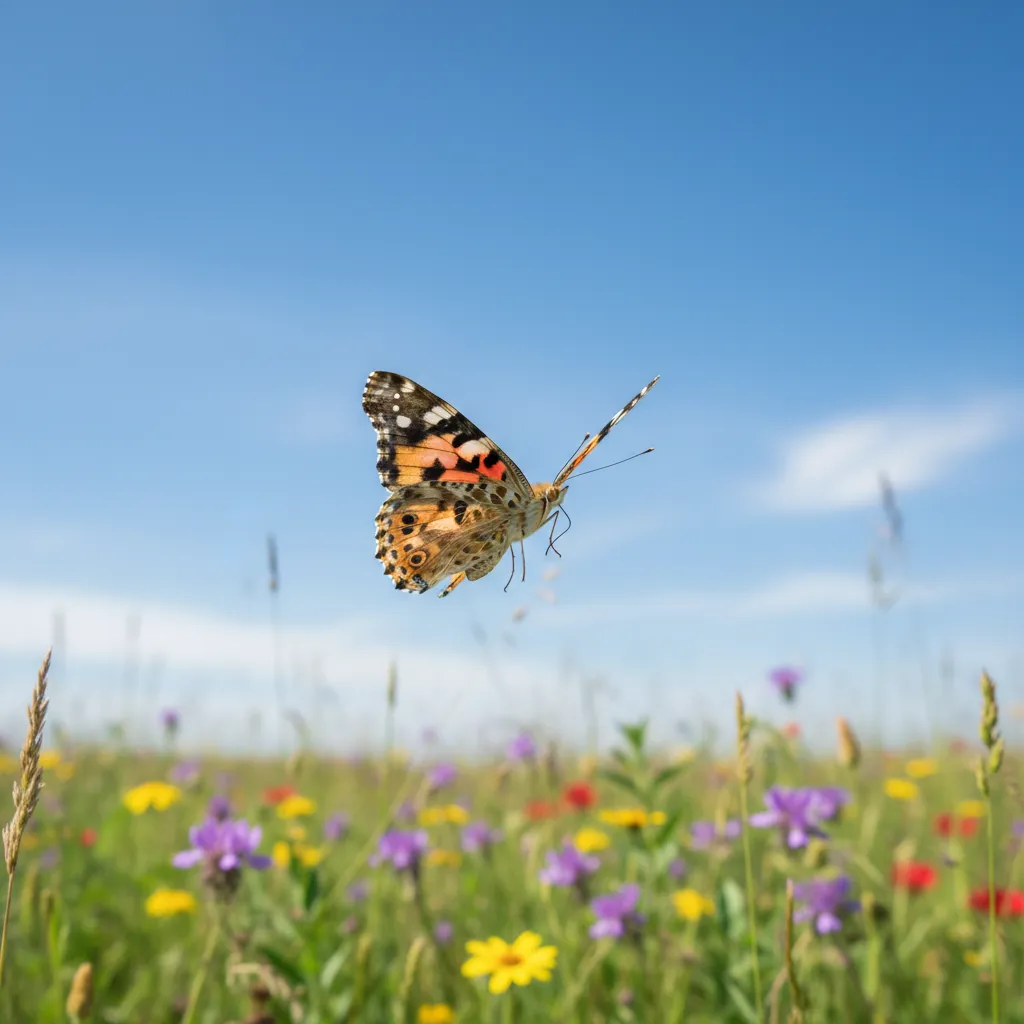
In practice, most field guides and identification resources only use family, genus, and species. But understanding the layers above those helps you see why certain butterflies are grouped together and how they relate to one another. When someone says a painted lady and a red admiral are both in Nymphalidae, they’re telling you those two species share a relatively recent common ancestor within Lepidoptera.
How to Read and Use Scientific Names in the Field
You don’t need a biology degree to use scientific names practically. Start with the genus. If you can recognize that a butterfly belongs to genus Colias, you already know it’s a sulphur and can narrow your search to a handful of species in your region instead of hundreds of possibilities.
Pronunciation doesn’t need to be perfect. Scientists themselves disagree on how to pronounce many names. Latin and Greek words can be anglicized in different ways depending on tradition. Say the name confidently and nobody will correct you. The point is communication, not performance.
Family names in Lepidoptera all end in -idae (pronounced ih-dee). Superfamily names end in -oidea (oy-dee-uh). Subfamily names end in -inae (ih-nee). Once you recognize these suffixes, you can instantly tell what taxonomic level someone is talking about even if you’ve never heard the specific name before.
When names change, and they do change as DNA evidence reshuffles relationships, the International Commission on Zoological Nomenclature (ICZN) maintains the rules that govern which name has priority. The oldest validly published name almost always wins, which is why Linnaeus’s 1758 names keep showing up as the accepted versions. A database maintained by the Natural History Museum London tracks current valid names for Lepidoptera worldwide.
Frequently Asked Questions
Is Lepidoptera the scientific name for butterflies only?
No. Lepidoptera includes both butterflies and moths. Butterflies make up a small fraction of the order, roughly 17,500 species out of over 180,000. Moths are far more diverse. The differences between moths and butterflies are real but don’t warrant separate orders. Genetically and anatomically, butterflies are nested within the moths, meaning butterflies are technically a specialized group of moths.
Who gave Lepidoptera its name?
Carl Linnaeus formally established the order Lepidoptera in his 1758 publication Systema Naturae. The Greek word roots had been used by earlier naturalists in various informal ways, but Linnaeus was the first to codify it as a formal taxonomic order within his standardized classification system.
Why do scientific names keep changing?
Names change for two main reasons. DNA analysis sometimes reveals that species previously grouped together aren’t closely related, requiring them to be moved to different genera. Other times, a researcher finds that a species was described under an earlier name that nobody was using, and the rules of nomenclature give priority to the oldest valid name. It can be frustrating, but the system is self-correcting and produces more accurate groupings over time.
Do I need to know scientific names to identify butterflies?
Not strictly, but they help a lot. Common names vary by region. The same butterfly might be called a “painted lady” in the US and a “thistle butterfly” elsewhere. Vanessa cardui is Vanessa cardui everywhere. Scientific names also let you search research databases, compare notes with international observers, and avoid the ambiguity that comes with informal naming.
What does the word Lepidoptera sound like when spoken aloud?
The standard English pronunciation is leh-pih-DOP-ter-uh. The stress falls on the third syllable. Some speakers say lep-ih-DOP-ter-uh with a shorter first vowel. Both are acceptable. If you want a deeper walkthrough with audio-style guidance, the pronunciation guide for beginners covers this and related terms.
How many species are in the order Lepidoptera?
Around 180,000 species have been formally described and named. Estimates for undescribed species, particularly small moths in tropical regions, push the real total to somewhere between 300,000 and 500,000. New species are described every year. Even in well-studied areas like North America and Europe, a handful of new Lepidoptera species are named annually based on DNA evidence that splits what were thought to be single species into two or more.