

Key Takeaways
- The giant swallowtail (Papilio cresphontes) passes through four stages from egg to adult in roughly 30 to 60 days, depending on temperature and food availability.
- Caterpillars mimic bird droppings with brown-and-white coloring, and they rely on citrus family plants, prickly ash, and common rue as their primary host plants.
- The chrysalis stage lasts 10 to 20 days in warm months but can extend through an entire winter if the butterfly enters diapause.
- Planting native host plants alongside nectar-rich flowers gives giant swallowtails reason to stay, breed, and complete their full life cycle in your yard.
What Makes the Giant Swallowtail Stand Out
The giant swallowtail is the largest butterfly in North America, with a wingspan that reaches up to 6.2 inches according to the National Wildlife Federation. If you have ever seen one drift through a garden on slow, deliberate wingbeats, you already know it commands attention without trying.
Understanding the giant swallowtail life cycle is one of the best ways to support these butterflies wherever they appear. Each stage comes with specific needs, and meeting those needs is surprisingly straightforward once you know what to look for.
This species belongs to the swallowtail butterfly family, a group recognized by their distinctive tail-like extensions on the hindwings. Giant swallowtails range from southern Canada through Central America, and their territory has been expanding northward in recent decades.
Stage One: The Egg
Female giant swallowtails lay single eggs on the upper surfaces of host plant leaves. Each egg is about 1.5 millimeters across and starts out a rusty orange color that darkens as the larva develops inside.
Eggs hatch in 4 to 10 days, with warmer temperatures shortening that window. A single female can lay several hundred eggs over her lifetime, spacing them across many plants to reduce predation risk.
Where Females Choose to Lay
Host plant selection is almost entirely limited to the Rutaceae family, commonly known as the citrus or rue family. In the wild, prickly ash (Zanthoxylum americanum) and hop tree (Ptelea trifoliata) are the top choices across the eastern United States.
In residential areas and orchards, females readily lay on any citrus species. Orange, lemon, lime, grapefruit, and kumquat trees all work, which is why Florida citrus growers have historically called the caterpillars “orange dogs.”
Stage Two: The Caterpillar (Larva)
The caterpillar stage is the longest and most visually interesting part of the giant swallowtail life cycle. Young larvae are dark brown mottled with white, and they look almost exactly like fresh bird droppings sitting on a leaf.
This disguise is not accidental. According to research published by the University of Kentucky Department of Entomology, bird dropping mimicry is one of the most effective caterpillar defense strategies because it makes predators actively avoid what looks like waste.
Giant swallowtail caterpillars pass through five instars over 14 to 30 days. During the final two instars, they grow to about 2 inches long and begin showing more green-brown tones, though the bird dropping pattern remains visible.
The Osmeterium: A Hidden Weapon
If the disguise fails, giant swallowtail caterpillars have a backup plan. When threatened, they extend a bright orange, forked organ from behind the head called an osmeterium. This gland releases a foul-smelling chemical mixture that repels ants, wasps, and small birds.
All swallowtail caterpillars have an osmeterium, but the giant swallowtail’s version is particularly large. It looks like a small snake tongue, which may add a visual scare on top of the chemical defense.
Feeding Behavior and Growth
Caterpillars eat host plant leaves around the clock but consume the most during the fourth and fifth instars. A single caterpillar can strip several small branches of a young citrus tree if left unchecked.
For gardeners growing citrus, this feeding rarely threatens mature trees. Established trees bounce back quickly, and the tradeoff of hosting a spectacular butterfly is well worth a few chewed leaves.
Stage Three: The Chrysalis (Pupa)
When the caterpillar reaches full size, it wanders off the host plant to find a sheltered spot for pupation. Giant swallowtail caterpillars attach themselves to a twig, fence post, or wall using a silk pad and a thin silk girdle that loops around the midsection.
The chrysalis itself is a rough, bark-like structure that blends into woody surroundings. If you are not sure about the difference between a chrysalis and a cocoon, we have a full breakdown of chrysalis vs. cocoon that clears up the common confusion.
In summer, the pupal stage lasts 10 to 20 days before the adult butterfly emerges. Fall-generation chrysalises enter diapause, a dormant state triggered by shorter daylight hours, and the butterfly stays inside all winter until spring warmth signals it to emerge.
Stage Four: The Adult Butterfly
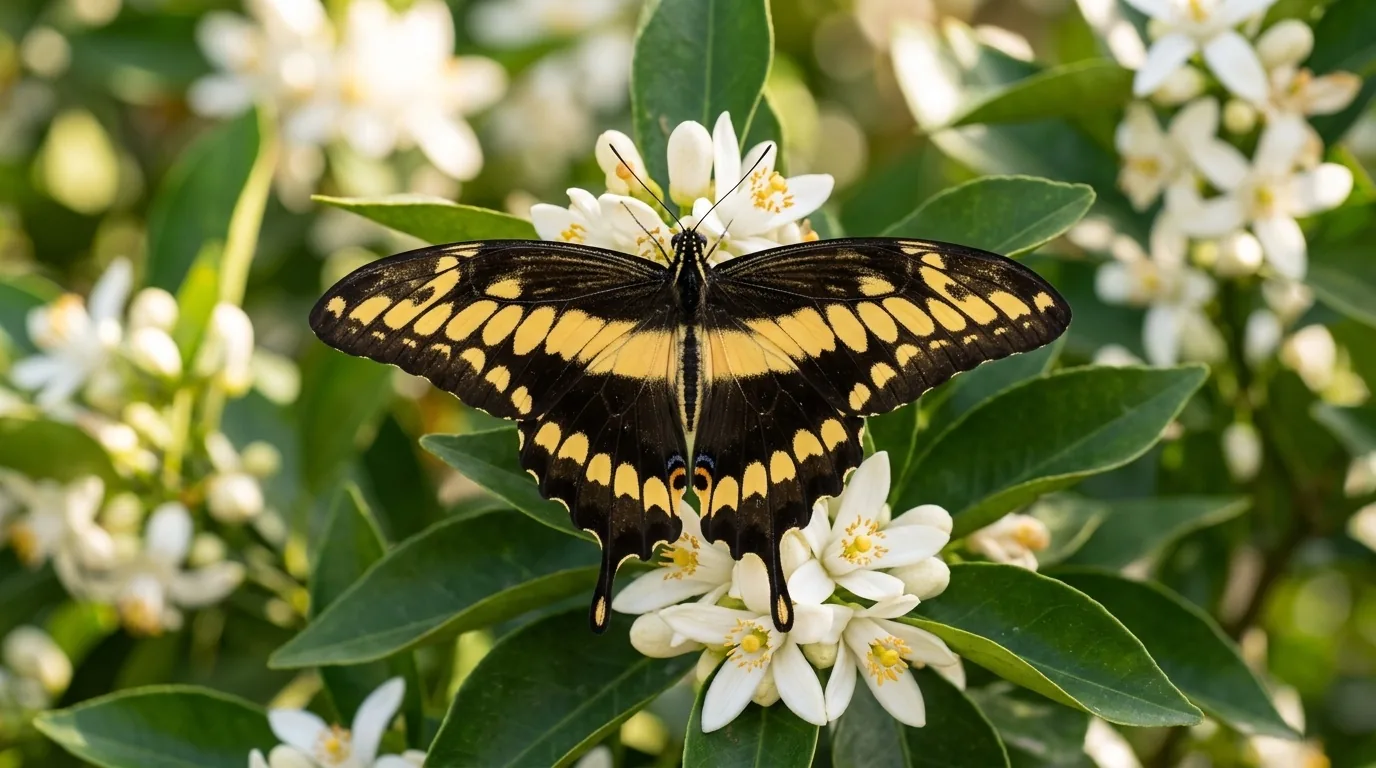
Adult giant swallowtails live for about two to four weeks. Their upper wings are dark brown to black with a striking band of yellow spots that forms a diagonal line across each wing.
From below, the wings appear mostly yellow with dark borders. This dual coloring creates a flashing effect in flight as the butterfly alternates between dark upper surfaces and bright undersides.
Nectar Plants and Feeding
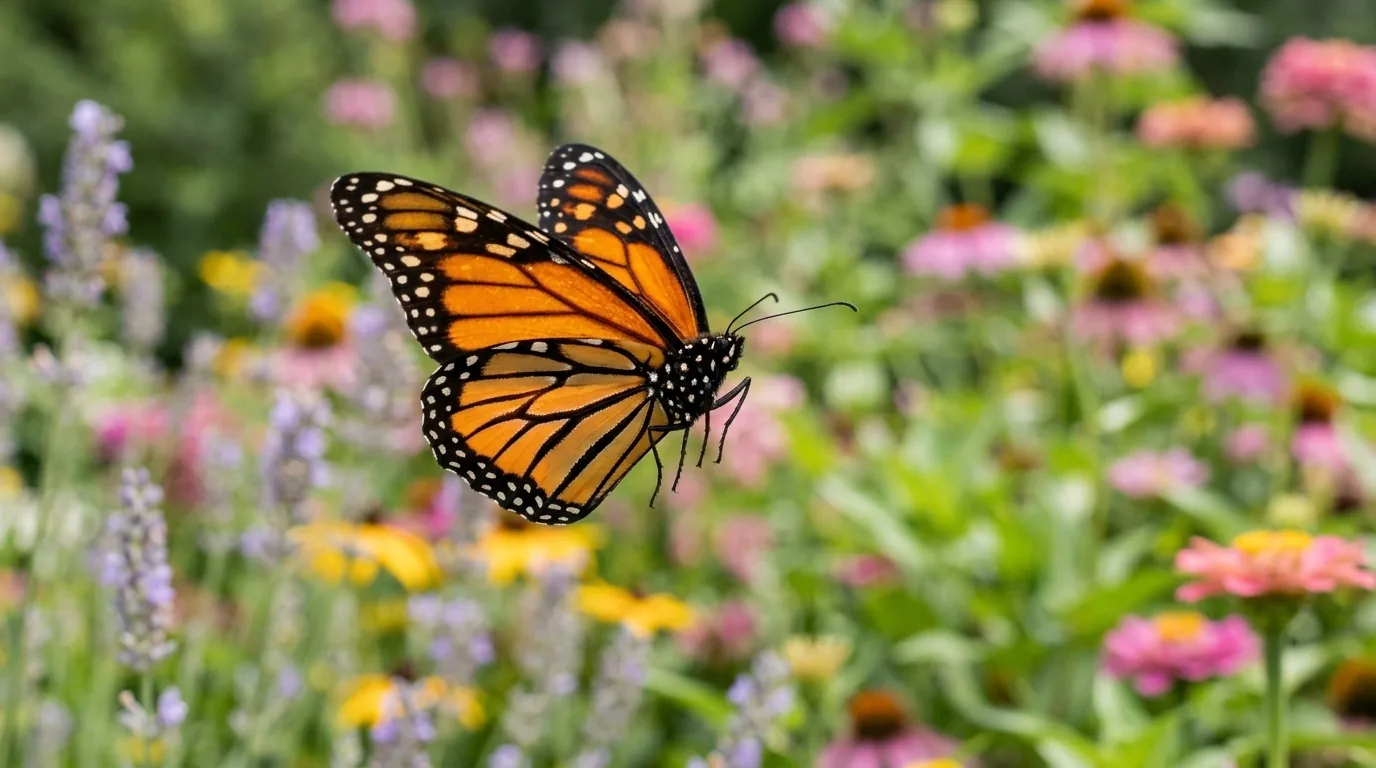
Adults feed on nectar from a wide range of flowering plants. Lantana, azalea, goldenrod, milkweed, and bougainvillea are all popular choices across their range.
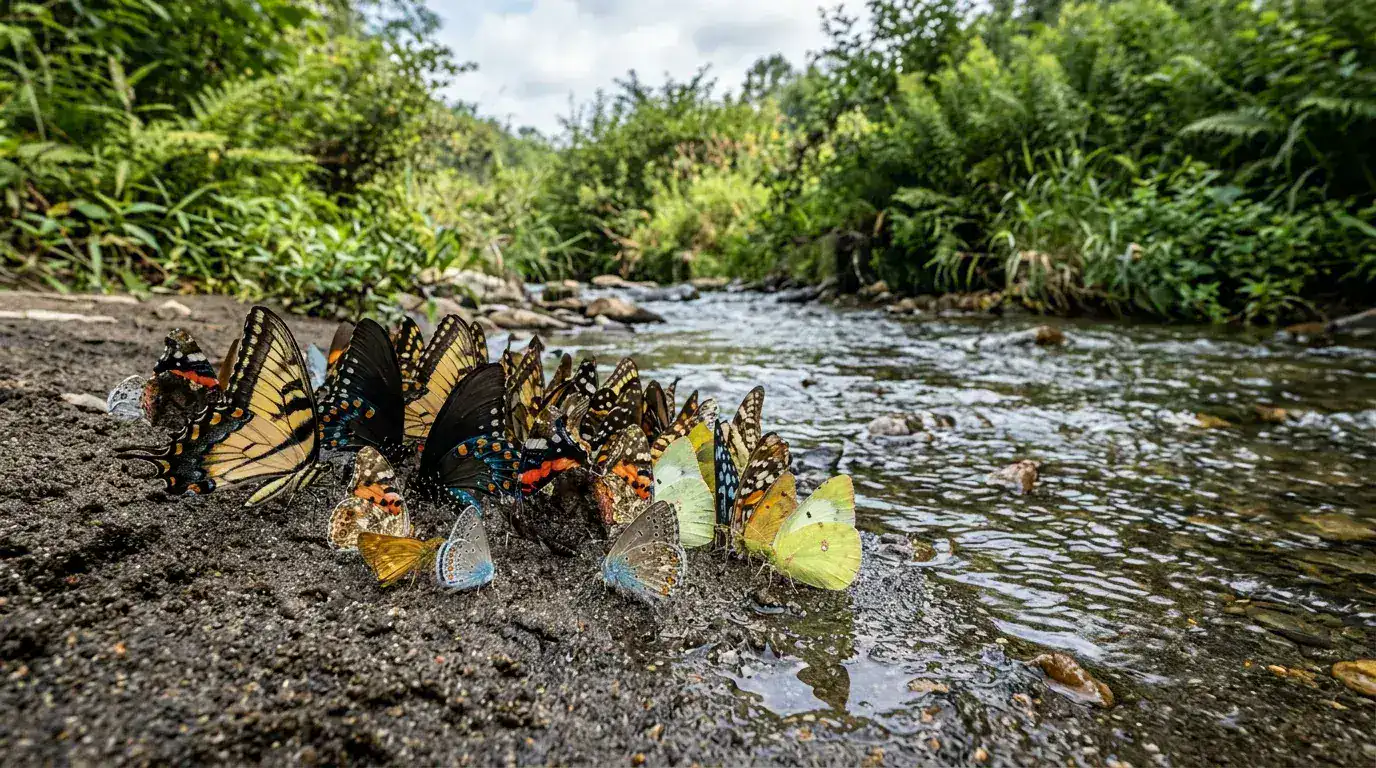
Males also engage in puddling, gathering at damp soil or mud to absorb dissolved minerals and sodium. These nutrients are transferred to females during mating, which appears to improve egg viability.
Mating and the Next Generation
In the southern United States, giant swallowtails produce two to three generations per year. Northern populations typically manage only one generation because the shorter warm season limits caterpillar development time.
Males patrol territories and hilltops looking for females, a behavior called hilltopping that is common in many swallowtail species. After mating, the female begins laying eggs within a day or two, and the cycle starts over.
How to Support Giant Swallowtails in Your Garden
The single most effective thing you can do is plant host plants from the Rutaceae family. Common rue (Ruta graveolens) is affordable, hardy in USDA zones 4 through 9, and easy to grow in containers or garden beds.
Prickly ash is a native option that works well as a hedge or understory tree in eastern gardens. If you live in a frost-free climate, any citrus tree doubles as both a food source and a host plant.
Pair host plants with nectar sources that bloom at different times throughout the growing season. For a broader list of what works best, check out our guide to the best butterfly plants for building a garden that supports multiple species year-round.
What to Avoid
Pesticide use is the biggest threat to giant swallowtails in residential areas. Bt (Bacillus thuringiensis) sprays kill all caterpillars indiscriminately, including swallowtails, so avoid applying them to any plants you want butterflies to use.
If caterpillars on your citrus trees bother you, move them by hand to a nearby rue or prickly ash instead of reaching for spray. That way the butterflies survive and your citrus recovers on its own within weeks.
Giant Swallowtail Life Cycle Timeline at a Glance
| Stage | Duration | Key Detail |
|---|---|---|
| Egg | 4 to 10 days | Laid singly on host plant leaves |
| Caterpillar | 14 to 30 days | Five instars, bird dropping mimicry |
| Chrysalis | 10 to 20 days (summer) or several months (overwinter) | Bark-like camouflage, silk girdle attachment |
| Adult | 2 to 4 weeks | Wingspan up to 6.2 inches, nectar feeder |
FAQ
How long does the entire giant swallowtail life cycle take?
From egg to adult, the full cycle takes roughly 30 to 60 days in warm weather.
Temperature is the biggest variable. Warmer conditions speed up every stage, while cooler weather can stretch the total timeline significantly.
What do giant swallowtail caterpillars eat?
They feed on plants in the Rutaceae family, which includes all citrus species, prickly ash, hop tree, and common rue.
In Florida and other citrus-growing states, gardeners frequently find them on orange and grapefruit trees.
Are giant swallowtail caterpillars harmful to citrus trees?
Caterpillars can defoliate small branches, but healthy mature trees tolerate the feeding without long-term damage.
Young nursery trees are more vulnerable, so relocating caterpillars to a sacrificial rue plant is a better option than using pesticides.
How can I tell a giant swallowtail chrysalis from a piece of bark?
Look for the silk girdle, a thin thread looping around the middle that holds the chrysalis at an angle against a branch or wall.
The chrysalis also has a slightly smoother texture than real bark and often has a faint greenish or yellowish tint along the edges.
Do giant swallowtails migrate?
They do not migrate like monarchs, but adults from southern populations wander northward during warm months. Northern-range butterflies overwinter as chrysalises rather than flying south.
What is the best plant to grow if I want to attract giant swallowtails?
Common rue is the easiest and most reliable host plant for most of the United States. It grows quickly, tolerates poor soil, and giant swallowtail females seek it out readily.
Combine rue with nectar plants like lantana or pentas, and you create a yard where giant swallowtails can complete their full life cycle.